Elevate Your Swim Classes 7 Genius Ways to Make Learning Fun

webmaster

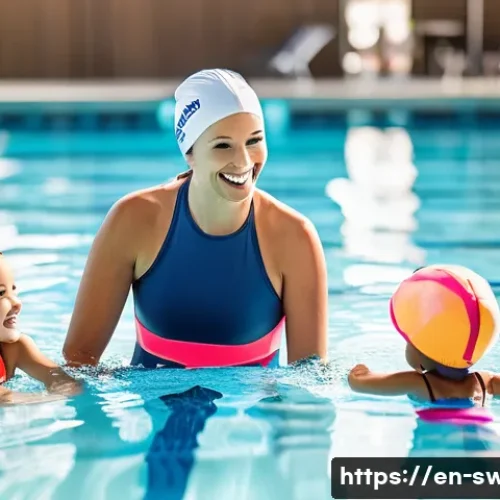
수영강사 수업 재미 요소 추가하기 - **A vibrant indoor swimming pool scene filled with joyous children, ages 4-7, participating in a "Pi...

Swimming lessons. For many, that phrase conjures images of endless laps, strict drills, and maybe a touch of apprehension – especially for our younger swimmers!

As someone who’s spent years observing and even participating in various aquatic environments, I’ve seen firsthand how quickly enthusiasm can wane when lessons feel more like a chore than an adventure.

It’s a common challenge we face, isn’t it? How do we keep those splashes lively and those learning moments truly memorable? Honestly, the secret isn’t just about repetition anymore; it’s about igniting a genuine love for the water.

I’ve personally watched instructors transform hesitant beginners into confident little fish, simply by injecting a generous dose of creativity and fun into their teaching.

It’s a whole new wave in swim education, moving beyond the textbook to embrace games, imaginative play, and interactive challenges that make kids forget they’re even “learning.” From my perspective, when children are genuinely enjoying themselves, they absorb skills faster, build lasting confidence, and develop an invaluable, lifelong appreciation for swimming.

It’s not just about floating; it’s about thriving. So, if you’re an instructor looking to sprinkle some magic into your classes, or a parent curious about what makes for truly effective and joyful swim experiences, you’re in the right place.

We’re going to dive deep into some fantastic, tried-and-true methods that go way beyond just counting strokes. We’ll explore it thoroughly.

Turning Drills into Thrills: The Power of Play-Based Learning

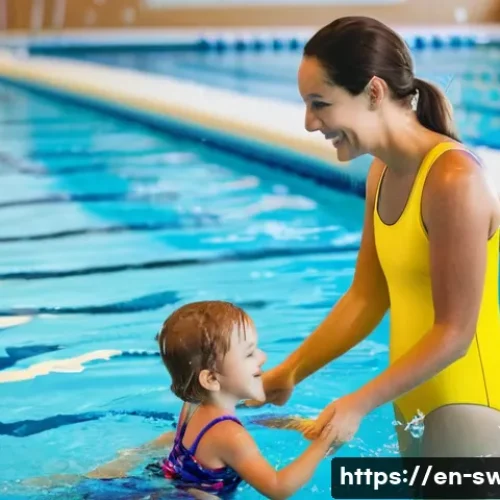
수영강사 수업 재미 요소 추가하기 - **A vibrant indoor swimming pool scene filled with joyous children, ages 4-7, participating in a "Pi...

I’ve seen it time and again: a child’s eyes glaze over when faced with another round of monotonous kickboard drills. It’s a natural reaction, isn’t it? As instructors, our goal isn’t just to teach skills, but to ignite a genuine love for the water that lasts a lifetime. And from my years observing countless lessons, the absolute best way to do that is to transform those ‘boring’ drills into exciting games. Think about it – when a child is fully immersed in a fun activity, they forget they’re even learning. Their guard is down, their focus is sharp, and their motor skills are naturally engaged in a way that rote repetition simply can’t achieve. It’s like tricking them into becoming Olympic swimmers, but in the best possible way! I’ve personally found that the more imaginative and interactive a lesson, the faster children pick up complex techniques and, more importantly, the more eager they are for their next session. We’re not just teaching strokes; we’re fostering a passion. The ripple effect of this approach is truly incredible, creating an environment where every splash is a step forward, and every giggle is a sign of newfound confidence. It’s a shift from ‘have to’ to ‘want to,’ and that, my friends, is where the magic happens in swim education.

Creative Warm-Ups: Setting the Stage for Fun

Before we even dive into the main skills, setting the right tone is crucial. Forget the generic arm circles; let’s get those little bodies moving with some imaginative warm-ups! I always start with something like “Under the Sea” where kids pretend to be different marine creatures – a wiggling eel, a slow-moving turtle, or a quick darting fish. This not only gets their muscles ready but also immediately immerses them in a playful world. Another favorite of mine is “Simon Says” but with a watery twist: “Instructor Says… put your face in!”, “Instructor Says… blow bubbles!”, “Instructor Says… kick your feet!” It’s amazing how a simple game can break the ice, build rapport, and even subtly introduce basic water comfort skills without anyone feeling pressured. I’ve noticed these types of warm-ups really boost their enthusiasm from the get-go, transforming a potentially daunting pool session into an exciting playground. It’s all about creating a positive association right from the first splash.

Skill-Building Adventures: From Doggy Paddle to Dolphin Dives

Now, for the core skills. Instead of just barking commands for flutter kicks, turn it into a “Race the Pirate Ship” game where their kicking is the engine. Or, when practicing breath holding, we become “Submarines” exploring the ocean floor. For arm strokes, I’ve had incredible success with “Superheroes Saving the Day,” where their arms are powerful wings or propellers. The key here is linking each skill to a narrative or a challenge that resonates with a child’s imagination. I once had a hesitant swimmer who absolutely hated putting her face in the water. We transformed her into a “Secret Agent Fish” who needed to “find the hidden treasure” (a sinkable toy) at the bottom. Suddenly, her fear melted away, replaced by determination. It’s not just about what they do, but the story we tell around it. This approach not only makes the learning process more enjoyable but also reinforces the purpose of each skill in a meaningful, memorable context, embedding good habits without them even realizing it.

Crafting a Story-Driven Aquatic Adventure

I’ve always believed that the most impactful lessons are those wrapped in a narrative. It’s human nature to be drawn to stories, and children are no exception. When we present swimming lessons as a grand adventure, a quest, or a journey, something truly magical happens. The pool transforms from a structured environment into an imaginative realm – an ocean, a pirate cove, a mermaid’s grotto. From my personal experience, kids who are immersed in a storyline during their lessons are not only more engaged but also exhibit incredible resilience when facing new challenges. They’re not just practicing backstrokes; they’re escaping a kraken! They’re not just doing bobs; they’re pretending to be diving pearls. This storytelling approach taps into their innate creativity, making every element of the lesson feel purposeful and exciting. It dramatically improves their retention and eagerness to participate, because who wouldn’t want to be the hero of their own aquatic tale? It genuinely makes my heart swell to see a child’s eyes light up, completely lost in the world we’ve built together, forgetting any initial fears they might have had. It’s truly a game-changer.

Theme-Based Lessons: Diving into Imaginative Worlds

Building on that idea, theme-based lessons are an absolute goldmine for engagement. Instead of just showing up for “swim class,” kids are signing up for “Pirate Training Camp” or “Mermaid School” or even “Astronaut Water Survival.” Each week can build on the last, incorporating new skills into the ongoing narrative. For “Pirate Training,” we might practice treading water to “stay afloat in stormy seas” or retrieve “sunken treasure” (diving rings) from the bottom. “Mermaid School” could involve graceful fin kicks and breath-holding for “exploring coral reefs.” I find that having a consistent theme for a few weeks or even a whole session really helps children connect with the lessons on a deeper level. It provides a framework for all the activities, making them feel like part of a larger, exciting adventure rather than isolated drills. Plus, it gives parents something fun to talk about with their kids after class, reinforcing the positive experience.

Character Play: Embracing Underwater Personas

Another incredibly effective storytelling technique is encouraging character play. Ask the children who they want to be in the water – a powerful shark, a speedy dolphin, a graceful mermaid, or even an alien exploring a new water planet. When they embody a character, their inhibitions often fall away. I once had a very timid child who would barely put her face in. After we decided she was a “secret agent fish” who needed to blow “spy bubbles” to communicate, she was suddenly much more willing to try. This isn’t just about make-believe; it’s about giving them a safe, imaginative space to experiment and push their boundaries. When they’re a character, they’re not just themselves struggling with a new skill; they’re their character mastering a challenge. It gives them a layer of confidence and bravery they might not otherwise access. It’s truly heartwarming to witness this transformation firsthand.

Advertisement

Unlocking Potential Through Personalized Play

Every child walks into the pool with a unique set of fears, strengths, and learning styles. What works wonders for one might completely overwhelm another, and that’s something I’ve learned to appreciate deeply over the years. It’s why a one-size-fits-all approach to swimming lessons often misses the mark. To truly unlock a child’s potential, we need to personalize the play, adapting our methods to resonate with their individual personalities. This doesn’t mean creating entirely separate lesson plans for everyone, but rather having a toolkit of diverse games and challenges that can be tweaked on the fly. I’ve personally seen a hesitant child blossom into a confident swimmer simply because an instructor took the time to understand what truly motivated them – maybe it was a specific type of toy, a particular kind of praise, or even just a quieter, more focused interaction. This adaptability is key to fostering not just skill development, but also a child’s self-esteem and enduring love for the water.

Assessing Individual Comfort Levels and Fears

Before diving headfirst into games, I always take a moment to gauge where each child is coming from. Are they fearful of the water? Are they timid around new people? Do they have a boisterous personality that thrives on group interaction, or are they more reserved? This initial assessment, often done through simple observation and gentle conversation, informs every subsequent activity. For a child with significant water apprehension, our “games” might initially involve simply sitting on the steps and splashing with toys, or blowing bubbles from their mouth at the surface. For a more adventurous child, we might jump straight into “Treasure Hunts” at the shallow end. It’s about meeting them where they are, not forcing them into a mold. I’ve found that acknowledging and gently addressing their specific fears first builds a foundational trust that makes all future learning much smoother and more enjoyable. It’s about building bridges, not walls, to their comfort in the water.

Tailoring Activities to Learning Styles and Interests

Once I have a sense of their comfort, I consider their learning style and interests. Some kids are visual learners; they benefit immensely from watching demonstrations. Others are kinesthetic; they learn by doing and experimenting. Some are auditory and respond well to clear, verbal instructions wrapped in a fun context. Knowing this allows me to tailor the “game” – whether it’s a “follow the leader” visual cue, a “can you do this?” challenge for the doers, or a “listen to the story” for the listeners. If a child loves dinosaurs, we might have “dinosaur eggs” (diving rings) to retrieve. If they’re obsessed with princesses, we might practice graceful “mermaid glides.” Personalizing the content based on their existing passions makes the learning process feel less like a task and more like a continuation of their own imaginative world. It’s incredibly rewarding to see their faces light up when they realize the lesson is tailored just for them.

The Art of Positive Reinforcement and Storytelling

I’ve learned that enthusiasm is contagious, and nowhere is that more evident than in a swimming pool. Our words, our tone, and our reactions can shape a child’s entire experience. Pure, unadulterated positive reinforcement, coupled with engaging storytelling, is perhaps the most powerful tool in an instructor’s arsenal. It’s not just about saying “good job”; it’s about explaining why it was a good job, celebrating effort over perfection, and using language that builds confidence and excitement. I’ve personally witnessed a child, initially shy and hesitant, transform into a vibrant, fearless swimmer purely because they were consistently met with genuine praise and encouragement. It truly hit me when I saw a little one who had struggled for weeks finally get their breath rhythm right, and the cheer from me made them beam brighter than the summer sun. That moment of shared joy, amplified by a captivating story, cements the learning and fuels their desire to keep trying. It’s about nurturing their spirit as much as their strokes.

Celebrating Every Splash: Beyond Just “Good Job”

Generic praise is nice, but specific, enthusiastic feedback is gold. Instead of just “good job,” I’ll say something like, “Wow, those kicks were so powerful, just like a dolphin!” or “Your breath holding was amazing, you’re a true underwater explorer!” This kind of detailed praise helps children understand what they did well, making it easier for them to repeat the desired action. It also makes them feel truly seen and appreciated. Small victories, like blowing a single bubble or putting their chin in the water, should be celebrated with as much fervor as mastering a full lap. I even keep a small stash of waterproof stickers or a “star chart” for weekly achievements – the kids absolutely love it. It’s about creating a constant stream of positive feedback that builds their confidence incrementally, encouraging them to take on bigger challenges knowing their efforts will be recognized and cheered.

Using Storytelling for Motivation and Understanding

Storytelling isn’t just for creating themes; it’s also a fantastic way to explain techniques and motivate action. Instead of saying, “Kick harder,” I might say, “Imagine you’re trying to escape a ticklish octopus – you need super fast kicks!” Or, for reaching, “Pretend you’re reaching for a piece of floating cake – stretch your hand out far!” These little narratives make the abstract concrete and much more memorable for young learners. They also help to reframe challenges. If a child is struggling with a skill, I might tell a story about a little fish who couldn’t quite do something at first, but with practice, became the best swimmer in the pond. It instills perseverance and shows them that it’s okay to struggle, as long as they keep trying. It’s a wonderful way to teach resilience alongside swimming ability.

Advertisement

Beyond the Basics: Creative Skill Development

수영강사 수업 재미 요소 추가하기 - **A close-up of a determined young child, approximately 6 years old, in a well-lit swimming pool, we...

Once the initial comfort and foundational skills are established, the real fun of creative skill development begins. It’s easy to fall into a routine of just repeating laps or isolated drills, but I’ve always pushed myself to find ways to weave new challenges into imaginative scenarios. This isn’t just about making things ‘fun for fun’s sake’; it’s about creating scenarios that organically demand the application of multiple skills, pushing children to think, adapt, and problem-solve in the water. From my perspective, this is where true water competency develops – when kids can combine their kicks, pulls, and breaths instinctively in a dynamic environment. I’ve seen kids who were initially bored by endless lengths suddenly light up when faced with a “rescue mission” or an “underwater obstacle course.” It’s about empowering them to become truly capable and confident in a variety of aquatic situations, and frankly, it’s a lot more engaging for us instructors too! It’s a rewarding journey for everyone involved.

Obstacle Courses and Water Challenges

One of my absolute favorite methods for creative skill development is setting up mini-obstacle courses. Using pool noodles, diving rings, floating mats, and even kickboards, we can create a fantastic sequence of challenges. For instance, a course might involve “swimming through a tunnel” (hoop held by an instructor), “retrieving a pearl” (diving ring) from the bottom, “walking across a lily pad” (floating mat), and then “gliding to shore” (a short swim to the side). These multi-step challenges require children to integrate different skills – breath control, propulsion, balance, and even decision-making. I’ve found they thrive on the sense of accomplishment that comes from completing a “mission.” It’s a fantastic way to practice complex movements in a low-pressure, high-fun environment. Plus, it breaks up the monotony of traditional drills and keeps them physically and mentally stimulated.

Partner and Group Games for Teamwork

Introducing partner and group games is another brilliant way to foster skill development alongside social interaction. Games like “Follow the Leader” (where one child demonstrates a movement and others copy), “Red Light, Green Light” across the pool, or even simple “Tug-of-War” with a pool noodle encourage communication, cooperation, and gentle competition. I’ve noticed that when children work together, they often push themselves a little harder and feel a greater sense of achievement. For example, a game where two partners have to transport a floating toy from one side of the pool to the other, without touching the bottom, naturally encourages them to communicate, kick, and coordinate their movements. It’s not just about individual skill; it’s about learning to navigate the aquatic environment with others, which is a crucial life skill. These games truly build camaraderie and make the entire learning process more dynamic and joyful.

Empowering Parents: Extending the Fun at Home

Let’s be honest, swimming lessons are just one piece of the puzzle. The real magic often happens when the excitement and learning extend beyond the pool deck. I’ve personally seen a huge difference in children whose parents are actively engaged in reinforcing positive water experiences at home, even if it’s just in the bathtub! As an instructor, I always make an effort to empower parents with practical tips and ideas that keep the aquatic spark alive between lessons. It’s not about turning parents into certified swim coaches, but about giving them simple, fun ways to build comfort and confidence in the water. This partnership between instructor and parent is incredibly powerful, reinforcing the lessons learned and building an invaluable foundation for a lifelong love of swimming. It helps maintain the consistency that’s so vital for skill retention and development, ensuring that the progress made in class doesn’t just evaporate between sessions.

Simple Water Activities for Home Practice

I always encourage parents to integrate water play into their child’s routine. In the bathtub, simple games like blowing bubbles, practicing gentle face submersion (“peek-a-boo” with water), or even just splashing with toys can do wonders. For slightly older children, a visit to a local splash pad or community pool (outside of formal lessons) can be a fantastic, low-pressure way to simply enjoy the water. It’s about letting them explore and play freely, without the pressure of “performing.” I often suggest using fun, colorful bath toys that float or sink, encouraging them to reach, scoop, and interact with the water in a positive way. These seemingly small activities at home contribute immensely to a child’s overall comfort and confidence, making them more receptive and eager for their next formal lesson. Here are a few ideas to get you started:

Activity Name Skills Reinforced Description
Bubble Blowers Breath control, face comfort In the bathtub, encourage your child to blow bubbles into the water with their mouth. Make it a game: “Can you make giant bubbles?” or “How many bubbles can you blow?”
Treasure Divers (Bath) Submersion, reaching, breath holding Drop sinkable bath toys (coins, rings) into the bathtub. Encourage your child to “dive” to retrieve them. Celebrate each successful retrieval!
Water Painting Water comfort, fine motor skills Give your child a large paintbrush and a cup of water. Let them “paint” the walls of the bathtub or shower with water. It’s mess-free fun and gets them comfortable with wet hands.
“Simon Says” Splash Listening, motor skills, water comfort Play a variation of “Simon Says” with water actions: “Simon Says splash your hands!” “Simon Says put your chin in!” “Simon Says make waves!”

Communication is Key: Bridging the Pool and Home

As instructors, our role isn’t just confined to the water. Effective communication with parents is paramount. I always make a point of briefly sharing what skills we focused on, what games we played, and what each child excelled at during the lesson. Even a quick “Sarah was a fantastic submarine today!” can spark conversation and reinforce positive associations at home. I also welcome questions and provide suggestions for simple ways parents can support their child’s progress. This open dialogue builds a strong parent-instructor partnership, creating a consistent message of encouragement and fun around swimming. When parents feel informed and involved, they become powerful allies in the child’s aquatic journey, extending the positive impact of our lessons far beyond the pool deck. It’s about building a community of support around each little swimmer.

Advertisement

Building Lifelong Water Confidence, One Splash at a Time

Ultimately, our mission as swim educators goes far beyond just teaching strokes or ensuring safety, as crucial as those elements are. What we’re truly striving for is to instill a deep, unshakeable confidence in the water that lasts a lifetime. I’ve personally observed that when children genuinely enjoy their swimming experiences, when they feel empowered and celebrated, that confidence becomes deeply ingrained. It’s not just about mastering a skill; it’s about developing a positive relationship with an entire environment. This confidence manifests not only in their swimming ability but also spills over into other areas of their lives, fostering resilience, self-esteem, and a willingness to embrace new challenges. From my perspective, every giggle, every triumphant splash, and every imaginative game contributes to this larger goal of cultivating a generation of happy, confident, and water-loving individuals. It’s a truly profound and rewarding journey for everyone involved.

Safety First, Fun Always: A Balanced Approach

Of course, while fun and engagement are paramount, safety remains our absolute top priority. I always weave safety messages seamlessly into our games and activities. For instance, when we’re playing “Red Light, Green Light,” we emphasize stopping at the wall. When retrieving diving rings, we discuss “safe diving” (meaning, no headfirst dives in shallow water). These aren’t separate, rigid lectures, but integrated elements of the play. I’ve found that when children are enjoying themselves and feel secure, they are far more receptive to learning and following safety rules. It’s about creating an environment where they feel safe enough to explore and be adventurous, knowing there are clear boundaries and watchful eyes. It’s a delicate balance, but one that is absolutely essential for fostering true water confidence without ever compromising their well-being.

Fostering Independence and Self-Reliance

As children grow more confident, our aim shifts towards fostering greater independence and self-reliance in the water. This means gradually giving them more opportunities to make choices, problem-solve, and explore within safe parameters. For example, instead of always telling them exactly how to get a toy, I might ask, “How do you think you could get that?” or “What’s the best way to get to the other side?” This encourages critical thinking and allows them to take ownership of their learning. I’ve found that by gradually stepping back and allowing them to navigate challenges independently (with our supervision, of course), they develop a deeper sense of accomplishment and trust in their own abilities. This isn’t just about swimming; it’s about equipping them with life skills that extend far beyond the pool, teaching them to trust their instincts and abilities in new situations.

Closing Thoughts

As we wrap up our dive into the incredible world of play-based learning for swimming, I truly hope you’ve felt the splash of excitement and the profound potential it holds for our young swimmers. It’s been an absolute joy to share my personal journey and the countless heartwarming moments where I’ve witnessed fear transform into pure, unadulterated joy, and initial hesitation blossom into confident, graceful glides across the water. Remember, every single lesson, every playful splash, is an invaluable opportunity to ignite a lifelong love for the water, creating not just technically skilled swimmers, but happy, confident, and resilient kids who feel at home in any aquatic environment. Let’s keep making those wonderful waves of fun and learning together, fostering a generation that embraces the water with open arms and joyful hearts, ready for any adventure the water might bring.

Advertisement

Useful Information to Know

1. Did you know that consistent, short bursts of water exposure are often more effective than infrequent, long sessions for younger children? This means a quick 15-20 minute splash session in a shallow pool or even the bathtub several times a week can build water comfort and muscle memory far better than one grueling hour-long lesson every other week. Think of it like learning a new language – regular, smaller doses make a bigger impact on retention and enjoyment. From my own observations, kids who get these little “top-ups” between formal lessons progress at an astonishing rate because the water never feels alien to them, fostering a continuous connection and development that truly makes a difference in their overall confidence and skill acquisition.

2. The “Rule of 10-20” for adult supervision is a game-changer for water safety, and it’s something I cannot stress enough. It means actively watching children in water at all times, being within 10 seconds (or arm’s length for younger kids) and scanning the water every 20 seconds. Drowning is often silent and can happen incredibly quickly, even in shallow water, and distractions are its biggest ally. It’s not about being a hovering parent, but being an *active* and engaged supervisor, giving them your full, undivided attention. I’ve personally seen how easily a momentary lapse can lead to near misses, so putting away phones and engaging fully when kids are near water is paramount. Your constant vigilance is their ultimate, most critical safety net.

3. Encouraging positive self-talk can dramatically impact a child’s confidence in the water, a lesson I’ve seen play out beautifully countless times. Instead of allowing them to fall into the trap of saying “I can’t do it,” prompt them to say “I’ll try my best!” or “I’m learning, and I’ll get there!” The power of their own internal dialogue is immense, shaping their resilience and willingness to embrace challenges. As an instructor, I always try to model this by saying things like, “That was a tricky one, but I saw you give it your absolute all, and that’s what truly counts!” Over time, this subtly shifts their mindset from a paralyzing fear of failure to a vibrant celebration of effort and progress, which makes them far more resilient in the face of new swimming challenges.

4. Investing in good quality, comfortable swimwear and goggles can make a surprisingly big difference, and it’s a tip often overlooked! An ill-fitting swimsuit that chafes or constantly rides up, or leaky goggles that obscure their vision, can be a constant source of discomfort and distraction for a child, turning what should be a joyful experience into a frustrating ordeal. Think about it from their perspective – if water is constantly getting into their eyes or their suit is causing irritation, they’re naturally less likely to focus on learning or enjoying the activity itself. From what I’ve seen, a child who feels comfortable and confident in their gear is much more eager to jump in and stay engaged for longer periods, ultimately accelerating their learning and making every lesson more effective.

5. Remember that every child learns at their own unique pace, and comparison truly is the thief of joy, especially in the pool environment. It’s so easy for parents to look at other kids and wonder why their own child isn’t progressing as fast, but that pressure can be incredibly counterproductive and dampen their enthusiasm. Celebrate *their* individual milestones, no matter how small they seem to others – whether it’s a new bubble blown, a tiny kick, or just a little more willingness to get their face wet. My favorite success stories are often from the kids who took the longest to learn, because their eventual breakthroughs were so hard-earned and deeply personal, instilling a profound sense of accomplishment. Focus on their effort, their enthusiasm, and their growing comfort, and trust that the skills will absolutely follow in their own precious time.

Key Takeaways

So, if there’s one overarching message I hope you carry with you after exploring these insights, it’s this: swim education is truly an art form that extends far beyond mere mechanics. It’s about ingeniously blending the absolutely vital lessons of safety and precise technique with the boundless energy of imaginative play and captivating storytelling. Personalization in our approach, consistently positive reinforcement, and fostering a strong, collaborative partnership with parents are the powerful currents that will effortlessly carry our children to a deep-seated, lifelong love affair with the water. Let’s all commit to making every single splash a joyous adventure, fostering not just exceptionally skilled swimmers, but incredibly confident, wonderfully resilient, and profoundly water-wise individuals who are ready to make a lifetime of happy memories in and around the water. They truly deserve nothing less than the most ‘thrilling’ and enriching journey into the aquatic world.

Frequently Asked Questions (FAQ) 📖

Q: How can instructors genuinely make swimming lessons more exciting and less like a chore for kids?

A: Oh, this is a question near and dear to my heart, because I’ve seen the magic happen when instructors truly get this! The biggest game-changer is embracing play-based learning and injecting some real imagination into the class.
Forget the rigid drills for a bit; think “Red Light, Green Light” to practice kicking, or a “Treasure Hunt” where kids dive for colorful rings to build their confidence going underwater.
I’ve personally watched instructors transform hesitant beginners into confident little fish just by using props like noodles for “noodle races” or even pretending to “talk to the fish” by blowing bubbles.
Giving children choices, like letting them pick what kind of “superhero” they want to be while practicing streamlining, really engages them. It’s about turning skill-building into an adventure, allowing kids to connect with the water on their own terms, fostering that genuine love and curiosity rather than just counting laps.
When they’re having a blast, they’re absorbing skills faster than you’d believe, and that’s a win-win for everyone involved, boosting their water safety while having fun.

Q: My child is really nervous about getting in the water for lessons. What can I do as a parent to help them overcome their reluctance and actually enjoy it?

A: As a parent, I totally get how challenging and, let’s be honest, sometimes frustrating, it can be when your little one is scared of the water. But trust me, you’re not alone, and there are so many gentle ways to help!
From my experience, starting small and making water a familiar, positive part of their life outside of lessons makes a huge difference. Try fun water play at home – think extra-long bath times with toys, or a splash pad on a warm day.
This helps them build comfort in a secure setting. When you do head to the pool, keep initial visits relaxed. Don’t push for formal swimming; just let them get used to the sounds and sights, maybe dip their toes in, or play at the shallow end with some favorite floating toys.
Positive reinforcement is your superpower here! Praise every tiny step, whether it’s putting their face in the water or just getting their hair wet. Sometimes, having a friend or sibling join lessons can provide that extra boost of confidence through social encouragement.
Remember, patience is absolutely key; forcing it can create more resistance. Your calm and positive attitude will reassure them more than anything.

Q: Beyond just learning to swim, what other benefits can children gain from fun and engaging swimming lessons?

A: This is where the magic truly shines, in my opinion! It’s never just about the strokes and kicks. When swimming lessons are genuinely fun, children unlock a whole host of incredible developmental benefits.
I’ve witnessed firsthand how a child who starts out timid can blossom into a confident, self-assured little person because they conquered something they once feared.
Beyond the obvious physical perks like improved cardiovascular health, strength, and coordination, these engaging lessons really boost cognitive and emotional development.
Think about it: they’re learning problem-solving skills as they navigate water games, developing resilience when they try a new skill over and over, and building crucial social skills as they interact with instructors and peers.
Games in the water encourage teamwork and communication, which are priceless life lessons. It also helps extend their attention span through varied activities.
Ultimately, by associating swimming with joy and adventure, we’re not just teaching them a vital life-saving skill; we’re nurturing a lifelong love for the water and helping them develop into well-rounded, confident individuals who aren’t afraid to dive into new challenges.

Advertisement