Don’t Miss Out The Hottest Swim Instructor Hiring Trends to Know Now

webmaster

수영강사 채용 트렌드 - **Prompt 1: "First Splash of Confidence"**
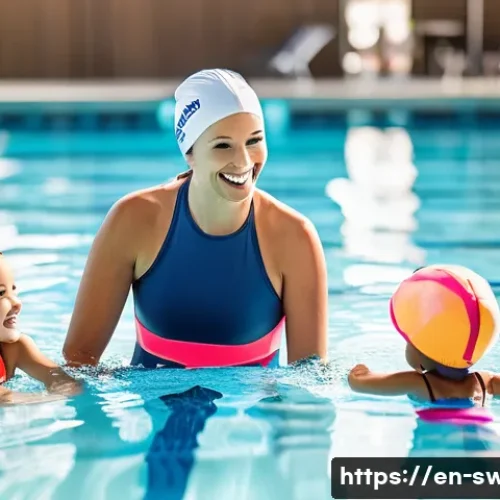
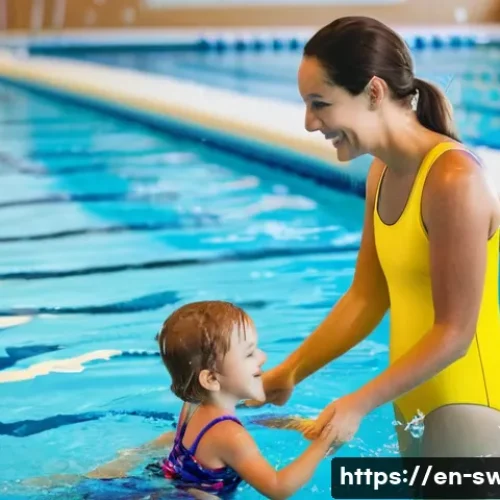
    A heartwarming scene inside a brightly lit indoor com...

Hey there, fellow water enthusiasts and career seekers! You know, it feels like just yesterday we were all navigating unprecedented times, and now, I’ve personally noticed an incredible wave of opportunity sweeping through the aquatics world.

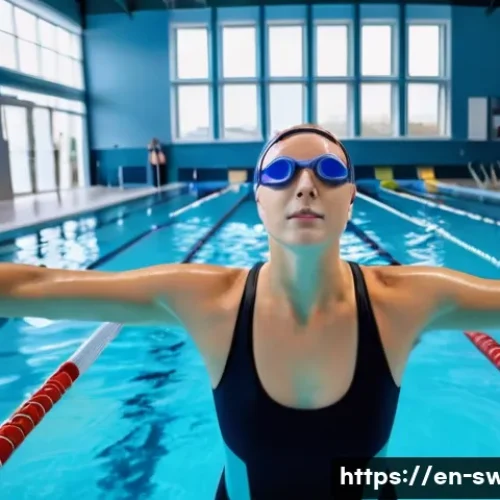
수영강사 채용 트렌드 관련 이미지 1

If you’ve ever found yourself dreaming of a rewarding job that keeps you active and genuinely makes a difference, then you’re going to love what’s happening with swimming instructor roles right now.

I’ve spent years immersed in the swim community, and let me tell you, the demand for passionate, skilled instructors is absolutely booming, especially as families prioritize water safety more than ever before.

It’s not just about teaching strokes; it’s about imparting a life skill and building confidence, and believe me, that’s a truly fulfilling experience.

We’re seeing exciting shifts, from increased flexibility in scheduling to even more competitive pay, making it an incredibly attractive path. If you’re wondering if now’s the time to dive into this incredible career path, my gut feeling says a resounding yes.

It’s a fantastic moment to turn your love for the water into a thriving profession, whether you’re just starting out or looking for a refreshing career change.

Let’s explore these exciting trends together and figure out how you can make a real splash. Below, we’re going to dive deep into exactly what’s making this profession such a hot ticket and how you can ride the crest of this wave.

Riding the Wave: Why Swim Instructor Roles are Exploding with Opportunity

Hey, it’s absolutely thrilling to see so many of you out there contemplating a career that truly matters, one that keeps you active and engaged. I’ve personally witnessed an incredible surge in the demand for swimming instructors, and honestly, it’s never been a better time to dive in.

From what I’ve observed firsthand, communities everywhere are prioritizing water safety like never before, and parents are more eager than ever to ensure their little ones, and even themselves, are confident and safe in and around the water.

This isn’t just a trend; it’s a fundamental shift in how we view essential life skills. What’s truly exciting is that this isn’t just about filling spots; it’s about building a robust, supported profession where your passion for the water can genuinely translate into a stable and incredibly rewarding livelihood.

The vibe in the aquatic centers and community pools I visit is buzzing with new opportunities, flexible hours, and a real sense of purpose. I mean, who wouldn’t want a job that combines a love for swimming with the profound satisfaction of teaching a life-saving skill?

It’s a career that constantly gives back, both to you and to the community you serve, and I’ve seen countless instructors, myself included, thrive on that energy.

The Post-Pandemic Push for Water Safety

After the past few years, there’s been a clear and undeniable push for essential life skills, and water safety is right at the top of that list. Pools were closed, lessons were canceled, and now, families are playing catch-up, creating an unprecedented backlog of learners.

I’ve heard so many parents express their relief at finding qualified instructors, telling me stories about how they worried about their kids missing out on these crucial skills.

This isn’t just anecdotal; I’ve seen it reflected in the sheer number of job postings and the expansion of swim programs across the board. Aquatic facilities, from local YMCAs to private clubs, are actively seeking passionate individuals to help meet this overwhelming demand.

It feels great to be part of a community that’s actively addressing such a vital need.

Community Investment and Program Expansion

What’s also striking is the increased investment in community aquatics programs. Cities and towns are recognizing the importance of accessible swim lessons, leading to funding for new facilities or expansions of existing ones.

This naturally translates into more job openings for instructors. I’ve chatted with many program directors who are actively recruiting, and they’re looking for enthusiastic people who can connect with learners of all ages.

It’s a fantastic environment for anyone looking to build a long-term career in aquatics, with opportunities for growth and program development that simply weren’t as prevalent just a few years ago.

Diving Deeper: The Unbeatable Benefits of a Swim Instructor Career

When you think about a job, what really matters to you? For me, it’s a blend of personal satisfaction, flexibility, and, let’s be honest, a decent paycheck.

And from my perspective, being a swim instructor checks all these boxes, and then some. It’s not just about spending time by the pool, though that’s certainly a perk, especially when the office is literally a refreshing body of water.

What I’ve experienced and observed is a career path that offers an incredible sense of accomplishment every single day. Seeing a child’s face light up when they finally master a new stroke, or watching an adult overcome a lifelong fear of water – those moments are truly priceless.

Beyond the emotional rewards, the practical benefits are seriously attractive, making it a compelling choice whether you’re looking for a part-time gig to supplement your income or a full-fledged career with real advancement opportunities.

It’s a field where your energy and dedication genuinely translate into tangible results, not just for your students but for your own well-being and financial stability.

Flexibility and Work-Life Balance

One of the absolute biggest draws, in my opinion, is the flexibility this role offers. Many aquatic centers have varied schedules, meaning you can often pick shifts that fit around your other commitments, whether that’s school, another job, or family life.

I’ve known instructors who work early mornings, others who prefer evenings, and plenty who thrive on weekend shifts. This adaptability is a game-changer for many, allowing them to pursue their passions without sacrificing their personal lives.

It’s not your typical 9-to-5, and for someone like me who values that freedom, it’s incredibly appealing.

Competitive Compensation and Growth Potential

Let’s talk money, because it’s definitely a factor. What I’ve seen is that the demand has driven up compensation, making swim instruction a genuinely well-paying job, especially for those with experience and specialized certifications.

Hourly rates are often quite competitive, and there are always opportunities for bonuses or increased pay as you gain more experience, take on more advanced classes, or even move into supervisory roles.

I’ve seen instructors transition from teaching beginner classes to coaching competitive teams, managing entire swim programs, or even opening their own swim schools.

The career ladder is definitely there if you’re ambitious!

Advertisement

Navigating Your Entry: Certifications and Essential Skills for Success

Alright, so you’re feeling inspired and ready to make a splash, right? That’s fantastic! Now, you might be wondering, “What do I actually need to get started?” From my experience, it’s less about having been an Olympic swimmer and more about having the right certifications, a genuine love for teaching, and an abundance of patience.

It’s about building a foundation of knowledge and skills that not only keep your students safe but also empower you to be an effective and engaging educator in the water.

I’ve guided many aspiring instructors through this process, and let me tell you, it’s totally achievable, even if you’re not a seasoned pro in the water yet.

The key is knowing which doors to knock on and what skills to cultivate.

Essential Certifications to Get You Started

The bedrock of becoming a swim instructor lies in obtaining the right certifications. In North America, the American Red Cross and YMCA offer widely recognized programs for Water Safety Instruction (WSI) and Lifeguard certification.

Over in the UK, options like the STA (Swimming Teachers’ Association) and Swim England offer similar pathways. These aren’t just pieces of paper; they equip you with vital knowledge on teaching techniques, water safety, first aid, and CPR, which are absolutely non-negotiable.

I remember my own WSI course; it was intense but so incredibly informative, and it truly prepared me for everything from managing a class of energetic toddlers to calmly handling an unexpected situation in the pool.

It’s the confidence-builder you need before you even dip a toe in with your first student.

Beyond the Certificate: Cultivating Your Teaching Toolkit

While certifications open the door, it’s your personality and teaching style that will make you truly shine. I’ve learned that effective communication, endless patience, and an ability to make learning fun are just as crucial as knowing how to demonstrate a perfect breaststroke.

You’ll be working with a diverse range of students, from hesitant beginners to more advanced swimmers looking to refine their technique. Being able to adapt your approach, offer positive encouragement, and break down complex skills into manageable steps is key.

I’ve personally found that humor and genuine enthusiasm go a long way in building rapport and making students feel comfortable and excited to learn.

Crafting a Career You Love: From Instructor to Aquatics Leader

It’s easy to think of a swim instructor role as just a stepping stone, but what I’ve observed is that for many, it becomes a deeply satisfying and evolving career path.

This isn’t just a seasonal job; it’s a profession with real progression, leadership opportunities, and avenues for specialization. I’ve personally seen colleagues start as entry-level instructors and grow into roles that involve managing entire aquatic programs, training new instructors, or even developing innovative new curricula.

The aquatic world is broader than many people realize, and your skills as a swim instructor are incredibly transferable and valued in various capacities.

It truly is about discovering where your passion for the water can take you next.

Advancing Your Expertise: Specializations and Advanced Training

Once you’ve got some experience under your belt, you might find yourself drawn to specific areas. Perhaps you love working with infants and toddlers, leading you to pursue specialized infant-toddler aquatic certifications.

Or maybe you’re passionate about helping adults overcome their fear of water, inspiring you to focus on adult learn-to-swim programs. There are also opportunities to become a certified stroke technician, a swim coach for competitive teams, or even an adaptive aquatics instructor for individuals with disabilities.

These specializations not only deepen your expertise but also often lead to higher pay rates and a more focused, fulfilling teaching experience. It’s all about finding your niche and becoming the go-to expert in that area.

Leadership Roles and Program Management

For those with a knack for organization and leadership, the aquatic industry offers clear pathways into management. Many experienced instructors transition into roles like Head Instructor, Aquatics Coordinator, or even Aquatics Director.

These positions often involve supervising staff, developing lesson plans, managing budgets, and ensuring the smooth operation of entire swim programs.

I’ve seen firsthand how rewarding it is to move into these roles, taking your hands-on experience and applying it to shape the future of aquatics within your facility or community.

It’s a chance to mentor new instructors, innovate programs, and truly leave your mark on the local swim scene.

Advertisement

Making a Real Splash: The Profound Impact of Teaching Swimming

Let’s talk about the heart of it all – the incredible impact you get to make every single day. As swim instructors, we’re not just teaching strokes; we’re literally equipping people with a life-saving skill.

I mean, how many jobs can you say that about? From my own experience, and what I hear from countless colleagues, there’s an unparalleled sense of purpose that comes with this profession.

You’re building confidence, fostering independence, and sometimes, quite directly, preventing tragedies. It’s a privilege to be in this position, and the gratitude you receive from students and their families is something that genuinely stays with you.

It’s more than just a job; it’s a commitment to community safety and individual empowerment.

Empowering All Ages and Abilities

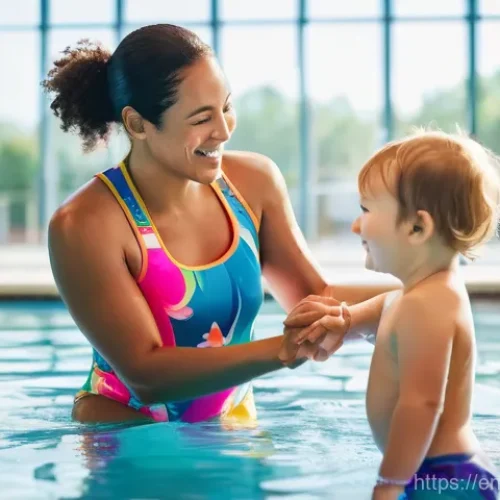
수영강사 채용 트렌드 관련 이미지 2

One of the most rewarding aspects, in my opinion, is the opportunity to work with such a diverse group of learners. You might spend the morning teaching a nervous five-year-old how to float, and then the afternoon helping a senior citizen regain mobility and confidence in the water.

And let’s not forget adaptive aquatics, where you get to help individuals with special needs discover the joy and therapeutic benefits of swimming. Each student presents a unique challenge and a unique opportunity to connect and make a difference.

I’ve seen shy kids blossom into confident swimmers, and adults conquer fears they’ve held for decades. Those transformations are incredibly powerful.

Building Lifelong Skills and Healthy Habits

Beyond just safety, swimming is a fantastic way to promote physical activity and healthy habits that last a lifetime. It’s a low-impact exercise suitable for all ages, and it provides a full-body workout that’s also incredibly fun.

As an instructor, you’re not just teaching them how to swim for today; you’re often sparking a lifelong love for the water and an understanding of its health benefits.

It’s truly inspiring to see students you taught years ago still enjoying the water, whether it’s for fitness, recreation, or even competitive swimming.

You’re planting seeds for a lifetime of health and happiness.

Insider Tips: Kicking Off Your Swim Instructor Journey with Confidence

So, you’re thinking about taking the plunge and becoming a swim instructor? That’s fantastic! I’ve been there, and I’ve learned a few things along the way that I wish someone had told me from the start.

It’s not just about getting certified; it’s about setting yourself up for success, finding the right environment, and constantly growing. From my perspective, the best instructors are always learning, always adapting, and always bringing their authentic selves to the pool deck.

These aren’t just generic tips; these are nuggets of wisdom I’ve picked up from years of working in and around aquatic centers, observing what makes some instructors truly shine and others struggle.

Trust me, a little foresight and preparation can go a long, long way.

Finding Your Perfect Aquatic Home

Not all pools are created equal, and finding the right facility where you feel supported and valued is crucial. Look for places with a strong reputation for water safety, clear program structures, and a friendly, experienced staff who can mentor you.

Don’t be afraid to ask questions during your interview: “What’s the typical class size?” “What kind of ongoing training do you offer?” “How do you handle challenging student situations?” I’ve found that facilities that invest in their staff and provide opportunities for professional development are often the best places to start and grow your career.

A good environment makes all the difference in feeling confident and effective.

Cultivating a Growth Mindset and Continuous Learning

The learning doesn’t stop once you get your certification! The best instructors I know are always looking for ways to improve, whether it’s attending workshops, watching experienced colleagues, or seeking feedback on their teaching style.

Every student is different, and every lesson is an opportunity to refine your approach. I still remember when I first started, I thought I knew it all, but quickly realized there was so much more to learn about behavior management, adapting to different learning styles, and making lessons truly engaging.

Embrace challenges, reflect on your sessions, and always be open to new ideas. That commitment to growth is what truly sets exceptional instructors apart.

Aspect of the Role Key Benefits and Responsibilities Common Entry-Level Requirements
Impact on Community Teaching a life-saving skill, fostering water safety awareness, promoting active lifestyles. CPR/First Aid Certification
Flexibility Option for part-time, full-time, or seasonal work; varied shift availability (mornings, evenings, weekends). Minimum Age (often 16+ or 18+)
Compensation Competitive hourly rates, potential for increased pay with experience/specialization, opportunities for bonuses. Water Safety Instructor (WSI) or equivalent certification
Career Growth Pathways to Head Instructor, Aquatics Coordinator, Program Director, or specialized coaching. Strong Swimming Ability
Personal Fulfillment High job satisfaction from seeing student progress, building confidence, and making a tangible difference. Patience, Strong Communication Skills
Advertisement

The Digital Edge: How Technology is Reshaping Swim Instruction

You know, it’s pretty wild to think about how much has changed, even in something as traditional as swim lessons. It used to be just you, the pool, and the students.

But now, technology is playing an increasingly interesting role, making the job even more dynamic and, frankly, more effective. From what I’ve seen, the integration of digital tools isn’t just a fancy add-on; it’s genuinely enhancing how we teach, how students learn, and how programs are managed.

It’s exciting to be part of a profession that’s embracing innovation, showing that even in the water, we’re always moving forward. If you’re someone who loves to stay current and leverage new tools, this aspect of the job is incredibly appealing.

Leveraging Video Analysis for Stroke Improvement

One of the coolest applications of technology I’ve personally used is video analysis. Imagine being able to record a student’s stroke, then immediately play it back for them, pausing and drawing on the screen to highlight exactly where their hand entry needs adjustment or their kick could be stronger.

It’s an absolute game-changer! Students, especially visual learners, grasp concepts much faster when they can see their own movements in slow motion. I remember one time, I was struggling to explain a tricky breathing technique to a teenager, and once we popped the video up, the lightbulb went on instantly.

It cuts down on frustration and dramatically speeds up the learning curve, making your job as an instructor so much more impactful.

Streamlining Communication and Scheduling with Apps

Beyond the actual teaching, technology is also making the administrative side of being a swim instructor much smoother. Many aquatic facilities are now using dedicated apps and online platforms for everything from scheduling lessons and managing class rosters to communicating with parents.

This means less time spent on paperwork and phone calls, and more time focusing on what you do best: teaching! Parents can easily track their child’s progress, get updates on cancellations, or even book their next session directly through an app.

It truly frees up your mental space and allows for a much more efficient and organized workflow, which, from my experience, makes a huge difference in job satisfaction.

Cultivating a Human Touch: Why Connection Matters Most in the Water

While technology and trends are certainly exciting, I’ve found that at the heart of every truly successful swim lesson, and indeed, every fulfilling career as an instructor, is the human connection.

It’s easy to get caught up in techniques and certifications, but what truly resonates with students, from the tiny tots to the nervous adults, is a genuine, empathetic approach.

I’ve personally learned that building trust, offering unwavering encouragement, and simply being present and patient makes all the difference in the world.

This isn’t just a job where you demonstrate skills; it’s a role where you become a mentor, a confidante, and often, a source of immense comfort. That authentic human touch, in my opinion, is something no app or video can ever replace.

Building Trust and Rapport with Every Student

Think about it: for many students, especially beginners or those who have had a negative experience with water, getting into the pool can be intimidating.

As an instructor, your first job isn’t always about teaching a specific stroke; it’s about building trust. It’s about a warm smile, a reassuring tone, and taking the time to listen to their fears and celebrate their smallest victories.

I’ve found that when students feel safe and connected to you, they’re far more receptive to learning and willing to push past their comfort zones. It’s that initial bond that sets the stage for everything else, making the learning process not just effective, but truly enjoyable.

The Power of Empathy and Personalized Encouragement

Every student walks into the pool with their own unique story, their own set of anxieties, and their own way of learning. What works for one might not work for another, and that’s where empathy comes in.

It’s about being able to step into their shoes, understand their struggles, and tailor your approach to meet their individual needs. I’ve had students who responded best to gentle, quiet guidance, and others who thrived on boisterous encouragement.

Learning to read those cues and adjust your teaching style accordingly is a skill that develops over time, and it’s incredibly rewarding. When you truly connect with a student on that level, you’re not just teaching them to swim; you’re helping them build resilience and self-belief.

Advertisement

Wrapping Things Up

Well, we’ve certainly taken a deep dive into what makes a swim instructor career so incredibly special and, dare I say, life-changing! It’s clear that this isn’t just a job; it’s a calling for many of us who love the water and thrive on making a tangible difference in people’s lives. From my own journey and countless conversations with fellow instructors, I can confidently tell you that stepping onto that pool deck opens up a world of possibilities for personal growth, career advancement, and genuine fulfillment. The satisfaction of empowering someone with a vital life skill, watching their confidence soar, and knowing you’ve contributed to their safety and well-being is truly an experience that money just can’t buy. So, if you’ve been feeling that pull towards the water, this is your sign to take the plunge. The aquatic community is waiting for passionate individuals like you to join its ranks and help shape a safer, happier future, one stroke at a time.

Useful Tips to Know

1. Master Your Certifications Early: Don’t delay in getting those essential certifications like Water Safety Instruction and Lifeguard training. These are your foundational building blocks and will immediately open doors to opportunities at local pools and aquatic centers. Think of them as your golden ticket to getting started quickly and confidently.

2. Embrace a Continuous Learning Mindset: The best instructors never stop learning! Stay curious, seek out workshops on new teaching techniques, and observe seasoned professionals. Every lesson is a chance to refine your approach, adapt to diverse learning styles, and add new tools to your teaching toolkit.

3. Prioritize Building Strong Rapport: Your connection with students is paramount. A warm smile, genuine encouragement, and the ability to listen to their fears will build trust and make them more receptive to learning. Remember, it’s not just about the strokes; it’s about making them feel safe and valued in the water.

4. Leverage Technology for Enhanced Teaching: Don’t shy away from modern tools! Video analysis can dramatically improve stroke correction, while scheduling apps streamline administrative tasks. Embracing technology makes you a more efficient and effective educator, which is always a plus in today’s world.

5. Network and Seek Mentorship: Connect with other instructors and aquatic professionals. They can offer invaluable insights, share innovative ideas, and even point you toward fantastic job opportunities. Learning from those who’ve been there and done that is an incredible way to accelerate your growth.

Advertisement

Key Takeaways

To sum it all up, the swim instructor profession is experiencing a vibrant resurgence, driven by a global emphasis on water safety and community health. What I’ve seen firsthand is a career path that offers unparalleled flexibility, competitive compensation, and genuinely profound job satisfaction. It’s a role where you literally teach a life-saving skill, empower individuals across all ages and abilities, and foster lifelong healthy habits. Whether you’re just starting your journey or looking to advance into leadership and specialized coaching, the aquatic industry is brimming with opportunities for passionate, dedicated individuals. The blend of human connection, continuous learning, and the chance to make a real impact truly sets this career apart. It’s more than just a job; it’s a chance to immerse yourself in a fulfilling profession that truly gives back, both to you and to the communities you serve.

Frequently Asked Questions (FAQ) 📖

Q: Why is there such a huge demand for swimming instructors right now?

A: You know, it really feels like the world has woken up to the absolute necessity of water safety, and honestly, I’ve personally seen the demand for swimming instructors just explode!
After those crazy few years when many places had to shut down, there’s been a massive backlog of kids (and even adults!) who missed out on crucial lessons.
It’s like everyone suddenly realized how vital it is to know how to swim, not just for fun, but for genuine safety. Parents, more than ever, are prioritizing this life skill for their children, and who can blame them?
Plus, with more folks looking for active, healthy lifestyles, swimming has gained even more popularity as an incredible fitness activity for all ages.
So, combining that pent-up demand with a fresh appreciation for water safety, it’s created this fantastic wave of opportunities for those of us passionate about teaching.
It’s a truly exhilarating time to be in the aquatics world!

Q: What are the biggest perks of diving into a swimming instructor career, especially today?

A: Oh, where do I even begin? From my years in the water, I can tell you the perks are just incredible, and they’ve only gotten better. First off, the flexibility is a game-changer.
Whether you’re a student, a parent, or just looking for a fantastic side hustle, you can often find hours that perfectly fit your schedule, from early mornings to evenings and weekends.
It’s not your typical 9-to-5, and that work-life balance? Priceless. Then there’s the pay.
I’ve personally noticed that rates are becoming much more competitive as the demand has soared, and with experience, your earning potential can really grow.
It’s definitely not just pocket money anymore for many! But honestly, for me, the most profound perk is the immense satisfaction. Teaching someone to swim isn’t just about strokes; it’s about imparting a life-saving skill, building confidence, and seeing that pure joy when a student finally ‘gets it.’ That feeling of making a real, tangible difference in someone’s life?
My experience tells me there’s nothing quite like it. It genuinely turns what could be “just a job” into a deeply fulfilling passion.

Q: So, I’m ready to make a splash! How do I actually become a certified swimming instructor?

A: That’s the spirit! It’s easier than you might think to get started, and believe me, it’s worth every step. The gold standard in the U.S., from what I’ve seen and experienced, often involves getting your American Red Cross Water Safety Instructor (WSI) certification.
Many reputable organizations, like the United States Swim School Association (USSSA) or even local YMCAs, offer similar comprehensive programs too. Generally, you’ll need to be at least 15 or 16 years old.
The path usually starts with ensuring you have a current CPR and First Aid certification – safety first, always!. After that, you’ll dive into the WSI course itself, which typically combines online learning with some fantastic in-water practical training.
This is where you learn everything from teaching techniques for different age groups to stroke analysis and water safety protocols. My personal journey taught me that those hands-on hours are where you really build confidence!
Oh, and expect a background check too; it’s a standard and important step to ensure everyone’s safety. It usually takes a few weeks to a couple of months, depending on how you pace your training.
Trust me, the feeling of getting that certification in your hand is just fantastic – it opens up a whole new world!