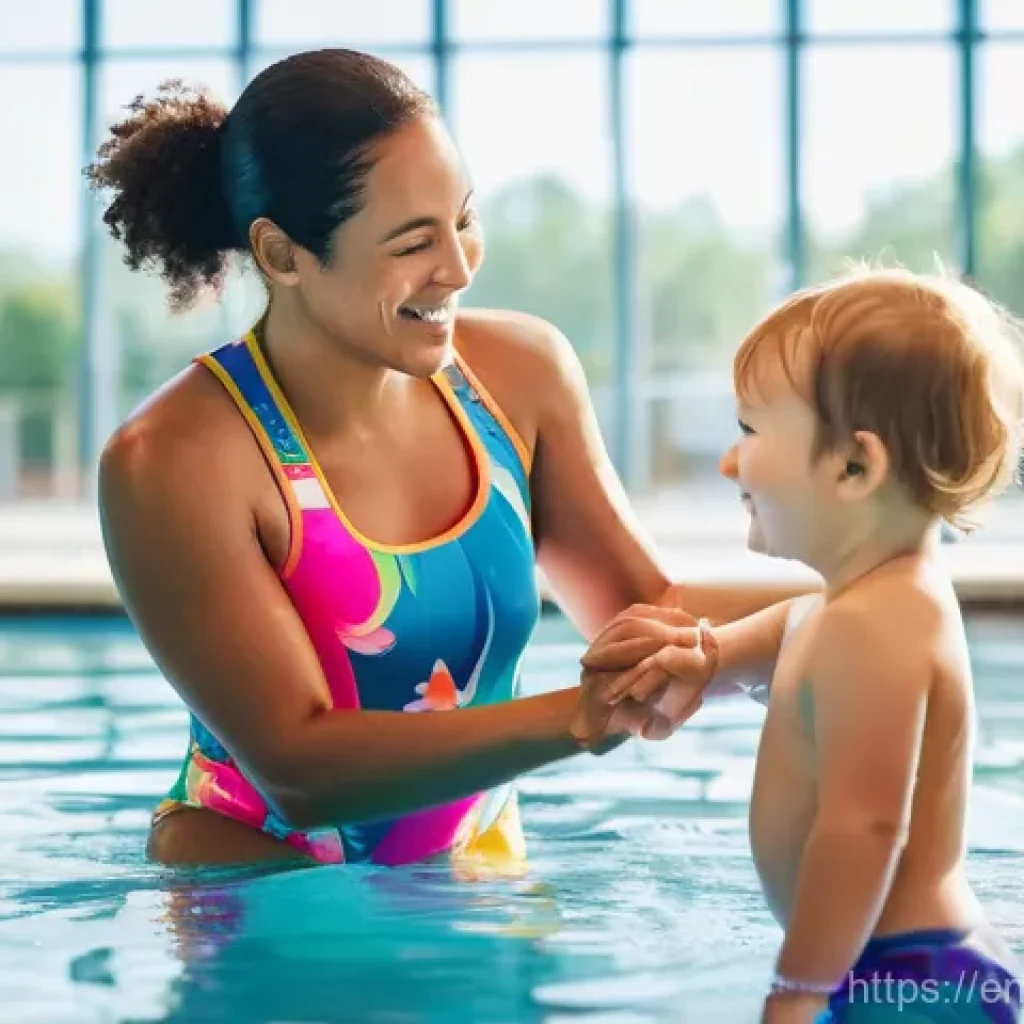
Hey there, fellow water enthusiasts! If you’re anything like me, your passion for swimming goes way beyond just taking a dip. For us swimming instructors, it’s about so much more: nurturing a lifelong love for the water, teaching crucial safety skills, and watching our students grow.
But let’s be real, the world of aquatic instruction is always evolving, isn’t it? I’ve seen firsthand how new techniques, cutting-edge technology, and even our understanding of learning psychology are changing the game.
Gone are the days when a basic certification was all you needed to stand out. Today, truly exceptional instructors are continuously sharpening their skills, diving deep into advanced methodologies, and embracing innovations from AI-powered stroke analysis to sophisticated safety protocols.
It’s an exciting time, but it also means we’ve got to stay on our toes, ready to adapt and elevate our game. We owe it to our students, and honestly, we owe it to ourselves to be the very best we can be.
Ready to explore how we can truly master our craft and become the most professional, sought-after swimming instructors out there? Let’s uncover exactly how to achieve that next level of excellence.
Mastering the Craft: Beyond Basic Certifications
You know, when I first started out, I thought my initial certification was the finish line. Boy, was I wrong! It was just the starting block. To really make a splash and stand out in this incredible field, we need to commit to lifelong learning. I’ve personally found that the more I learn, the more confident and capable I feel, and that translates directly to better outcomes for my students. Organizations like the American Red Cross and the Lifesaving Society offer fantastic instructor certifications that are widely recognized and provide a solid foundation. But the real magic happens when you push beyond that. Think about certifications in advanced stroke instruction, baby swim training, or even specialized programs for competitive prep. It’s like adding new tools to your toolkit; each one helps you tackle different challenges and serve a wider range of swimmers. I remember taking a course on advanced stroke analysis, and it completely changed how I observed and corrected my students’ techniques. Suddenly, I wasn’t just guessing; I had a deeper understanding of the biomechanics at play. It’s a game-changer, not just for your skills, but for your confidence and the trust your students place in you.
Advanced Training and Specializations
Diving deeper into your training is more than just collecting certificates; it’s about refining your expertise. For instance, focusing on adaptive aquatics can open up entirely new avenues and help you connect with a community that truly needs skilled instructors. Programs like Autism Swim certification, offered in partnership with organizations like AUSTSWIM, are invaluable for equipping teachers with the knowledge and confidence to support individuals on the autism spectrum and those with other specific learning needs. I’ve seen firsthand how rewarding it is to help a child with unique needs discover the joy of swimming, and it truly makes every extra hour of study worth it. Similarly, specializing in adult swim instruction involves a completely different psychological approach, as adults often come with pre-existing fears and concerns that need a more nuanced teaching style. Understanding the adult learner’s brain science and tailoring lessons accordingly can make all the difference in helping them overcome anxieties and gain confidence in the water. It’s not just about what you teach, but how you teach it.
Continuous Professional Development
Staying current in the aquatic world means constantly seeking out professional development opportunities. It’s not enough to get certified once and be done; the industry is always evolving. I make it a point to attend workshops, online modules, and conferences whenever I can. Organizations like the World Wide Swim School offer online platforms with continuous training and resources that align with industry standards. These academies provide libraries of modules and resources, sometimes with new content added monthly, ensuring that instructors have access to up-to-date tools and philosophies. It’s a great way to keep your skills sharp and connect with other dedicated professionals. I recently completed an online module that focused on innovative ways to engage children who are hesitant about submerging, and it gave me so many fresh ideas that I immediately put into practice. The shared experiences and new perspectives you gain from these sessions are truly invaluable for keeping your teaching fresh and effective.
Building Bridges: The Art of Connection and Trust
If there’s one thing I’ve learned, it’s that swimming isn’t just about stroke mechanics; it’s deeply psychological. And at the heart of that psychology is trust. My most successful lessons, the ones where students truly blossomed, were always built on a foundation of genuine connection. I remember a particularly shy child who would cling to their parent’s leg for the first few sessions. It took patience, silly games, and a lot of gentle encouragement, but slowly, brick by brick, we built that trust. And once it was there, their progress soared. You see, when a student feels safe and genuinely cared for, they become eager to learn, to try new things, and to push past their fears. It’s an incredible feeling to witness that transformation. Building this rapport isn’t just for kids, either; it’s vital for adult learners who might be battling lifelong fears of water. Creating a positive emotional experience is paramount, helping to reduce anxiety and increase their confidence.
Cultivating Rapport and Empathy
Really getting to know your students goes a long way. I always try to take a few minutes before or after a lesson to chat with parents, ask about their child’s day, or even just learn about their favorite superhero. These little moments create a bond and show that you see them as more than just another swimmer. It’s about being empathetic and understanding that each person comes with their own unique set of experiences and anxieties. Some children might be afraid of the unknown, others might have sensory sensitivities, or even past negative experiences that make them reluctant. By observing their body language and understanding their specific needs and aspirations, you can tailor your approach. For example, using visual schedules for children with developmental delays or providing hands-on assistance can be incredibly effective. The goal is always to make them feel heard, safe, and understood, which then makes them more receptive to learning. Remember, trust is easier to break than to earn, so consistency and following through on promises are key.
Effective Communication with Families
Communication with parents and caregivers is just as important as the connection you build with the swimmer themselves. They are your partners in this journey. I’ve found that open, honest communication about goals, progress, and any challenges is essential. Parents entrust us with their children’s safety and well-being, so being transparent and available to answer their questions really builds confidence in your professionalism. For example, discussing a child’s specific needs, what motivates them, and how best to help them achieve their goals in a way that suits their personality can provide you with crucial background knowledge and show parents you’re truly dedicated. Establishing clear response expectations for inquiries and providing regular updates, perhaps through a quick chat after class or even a dedicated email, can make a huge difference in parent satisfaction and involvement. It assures them that you’re invested in their child’s success and safety, fostering a strong sense of community and loyalty.
Embracing Innovation: Technology in the Pool
Okay, let’s talk tech! This is an area that genuinely excites me because I’ve seen how it can revolutionize our teaching. Forget the old clipboard and pen; we’re in an era where technology can supercharge everything we do, from analyzing strokes to managing our schedules. I’ve been experimenting with some AI-powered tools recently, and the insights they provide are just incredible. Imagine getting objective, detailed feedback on a student’s stroke technique that even the most seasoned coach might miss with the naked eye! It’s not about replacing human instructors, but about augmenting our abilities and giving us data-driven insights to help our swimmers improve faster and more efficiently. This isn’t just for elite athletes; these tools are starting to trickle down into everyday swim lessons, making personalized training more accessible than ever.
AI-Powered Analysis and Personalized Training
The advent of AI in swim instruction is truly a game-changer. I’ve personally started using video analysis software that leverages AI to break down every aspect of a swimmer’s movement. It can measure stroke rates, split times, and even underwater phase durations, providing real-time metrics that help identify specific areas for improvement. This level of detail allows for hyper-personalized training plans that cater to individual skill levels, physical attributes, and learning paces. It means I can move beyond generic lesson plans and create something truly bespoke for each student, systematically addressing their weaknesses while playing to their strengths. The visual feedback alone is incredibly powerful for students, as they can *see* exactly what they need to adjust. It builds their understanding and engagement, making the learning process far more effective. Plus, AI can even help with comprehensive progress tracking, showing detailed visualizations of a swimmer’s improvement over time, which is a fantastic motivator!
Streamlining Operations with Digital Tools
Beyond the actual teaching, technology can massively simplify the administrative side of being a swim instructor, which, let’s be honest, can be a time sink. I’ve adopted software to manage scheduling, class attendance, and even student progress tracking. It frees up so much time that I can then dedicate to my students and improving my lessons. These digital platforms can replace the traditional clipboard, allowing you to take registers, mark progress, and communicate effectively with parents. Think about how much easier it is to share a student’s progress report or send out reminders for upcoming classes with just a few clicks. It makes your business run smoother, more professionally, and ultimately enhances the client experience. From optimizing scheduling to maximizing resource utilization, AI can even analyze patterns in pool usage and instructor availability, ensuring everything runs like a well-oiled machine. This behind-the-scenes efficiency allows us to focus on what we do best: teaching swimming!
Safety First: Cultivating a Secure Aquatic Environment
In our line of work, safety is never just a checkbox; it’s the absolute foundation of everything we do. It’s what gives parents peace of mind and allows children to learn without fear. I’ve always operated under the principle that a safe student is a happy and receptive student. This means not only adhering to every safety protocol imaginable but also instilling a deep sense of water safety awareness in every single person I teach. It’s about creating an environment where everyone understands the risks, respects the water, and knows how to react in an emergency. I’ve found that openly discussing safety, demonstrating best practices, and even involving students in understanding why certain rules exist helps them internalize these crucial lessons. It’s not about scaring them; it’s about empowering them with knowledge and respect for the aquatic environment.
Rigorous Safety Protocols and Emergency Preparedness
As instructors, we are the frontline of water safety. This means our knowledge of emergency procedures, first aid, and CPR needs to be impeccable and always current. The American Red Cross, for instance, offers comprehensive CPR training that every instructor should regularly refresh. We need to be prepared for anything, from minor scrapes to serious incidents. This isn’t just about knowing what to do, but practicing it until it’s second nature. I regularly review facility emergency action plans, locate safety equipment, and consider potential hazards in different water environments, whether it’s a pool, lake, or beach. Things like ensuring appropriate pool barriers are in place, understanding suction hazards, and promoting the “buddy system” are non-negotiables. Moreover, advanced AI systems equipped with computer vision are even emerging to continuously monitor pools, detecting signs of distress or unsafe behavior that could be missed, providing rapid alerts to instructors and lifeguards. While technology assists, our human vigilance and preparedness remain paramount.
Instilling Water Safety Habits
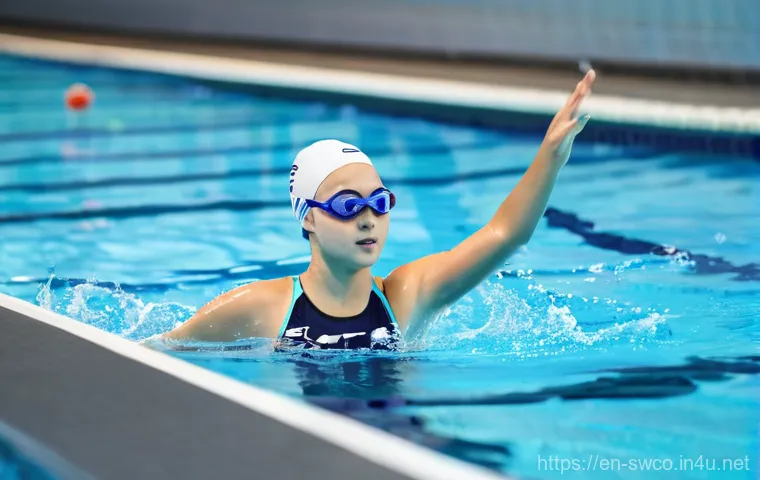
Our job extends beyond teaching strokes; it’s about fostering a culture of water safety. This starts with the basics: teaching kids to always swim in designated, supervised areas, to never swim alone, and to understand the dangers of diving into shallow water. I often use fun, engaging ways to teach these critical lessons, like using metaphors or storytelling to help them remember. For younger children, we emphasize things like asking permission before going near water and learning how to safely enter and exit the pool. For older students, we discuss topics like being aware of “dangerous too’s” – too tired, too cold, too far from safety, and the absolute importance of never mixing alcohol with swimming. By making safety an integral, yet engaging, part of every lesson, we empower our students to be responsible and confident in and around the water, no matter where their aquatic adventures take them.
Beyond the Pool Edge: Marketing Your Expertise
Let’s be real, being an amazing swim instructor isn’t enough if no one knows about you! In today’s digital world, marketing yourself effectively is crucial for building a thriving career. I’ve learned that you have to be just as savvy with your online presence as you are with your backstroke drills. It’s not about being boastful, it’s about showcasing your passion, your expertise, and the genuine joy you bring to teaching. I’ve personally seen how sharing success stories and engaging with my community online has brought in more students than any traditional advertising ever could. It’s about building a brand that reflects who you are and the value you provide.
Leveraging Digital Presence and Social Proof
Having a strong online presence is absolutely foundational. Your website, social media, and online reviews are your digital storefront. I make sure my social media platforms, especially Instagram and Facebook, are regularly updated with engaging content – think photos and videos of happy swimmers, quick tips on water safety, or even behind-the-scenes glimpses of a lesson. Storytelling, for instance, through visuals can truly highlight the improvements and fun students have in your classes. Positive testimonials and online reviews from satisfied parents are pure gold; they build credibility and often convert potential clients into actual students far more effectively than any ad. I actively encourage happy clients to share their experiences on Google or Yelp, because that authentic word-of-mouth endorsement speaks volumes. Targeted ads on platforms like Facebook and Instagram can also be incredibly effective for reaching local parents, especially when combined with compelling offers like early bird discounts.
Community Engagement and Referral Programs
Beyond the digital world, connecting with your local community is a powerful marketing strategy. I’ve found that partnering with local businesses, community centers, or even schools can lead to fantastic promotional opportunities. Imagine hosting a “water safety day” at a local pool with free trials and demonstrations – it’s a brilliant way to introduce your services to a broader audience. And don’t underestimate the power of a good old-fashioned referral program. Offering incentives like discounts on future lessons or branded merchandise to students who refer new clients can turn your happy swimmers into enthusiastic ambassadors. I’ve seen some instructors use vibrant vinyl banners at strategic locations near pools or community hotspots to announce special programs or discounts, which can grab immediate attention. The key is to be visible, engaged, and always looking for ways to serve and connect with the community you’re a part of.
| Strategy | Description | Benefit |
|---|---|---|
| Advanced Certifications | Seek specialized training in areas like adaptive aquatics, baby swim, or competitive coaching. | Expands expertise, attracts niche clients, increases credibility. |
| Technology Integration | Utilize AI for stroke analysis, personalized training, and digital tools for administration. | Enhances teaching effectiveness, streamlines operations, offers data-driven insights. |
| Build Trust & Rapport | Focus on empathetic communication with students and parents, creating a safe and fun environment. | Increases student retention, reduces anxiety, fosters a positive learning experience. |
| Marketing & Branding | Leverage social media, online reviews, community partnerships, and referral programs. | Increases visibility, attracts new clients, builds a strong professional reputation. |
| Continuous Learning | Regularly attend workshops, conferences, and online professional development courses. | Keeps skills current, introduces new methodologies, fosters innovation. |
The Psychology of the Swim: Beyond Physical Movement
This is where things get really fascinating for me. Teaching swimming isn’t just about showing someone how to move their arms and legs; it’s about understanding the mental game. I’ve found that a swimmer’s mindset, their fears, their motivations, and even how they perceive depth, can dramatically impact their progress. We aren’t just teaching a physical skill; we’re helping people overcome deep-seated anxieties and build incredible self-confidence. I’ve seen kids completely transform, not just in their swimming abilities, but in their overall confidence, simply by conquering their fear of the water. It’s a powerful experience to be a part of. Focusing on a “growth mindset” is something I integrate into my teaching, emphasizing effort and progress over just innate talent, which really helps students bounce back from setbacks.
Understanding and Overcoming Water Anxiety
Fear of water is incredibly common, especially for beginners and children, and it can stem from anything from unfamiliarity to a previous negative experience. My approach is always about gradual exposure in a safe, controlled, and most importantly, positive environment. We start small, sometimes just splashing water on their faces, blowing bubbles, or playing with toys in the shallow end. It’s about letting them become comfortable at their own pace, never forcing anything. Positive reinforcement is crucial here – celebrating every tiny achievement, even just putting their face in the water for a second, helps build their confidence brick by brick. When I see that apprehension melt away and a child’s eyes light up with excitement, it’s truly one of the most rewarding parts of my job. Remember, humans aren’t naturally aquatic, so patience and understanding are key.
Motivation and Learning Styles
Every student is a unique individual, and recognizing their particular learning style and what truly motivates them is essential for effective teaching. Some thrive on games and challenges, others respond best to visual demonstrations, and some prefer a more hands-on, tactile approach. For instance, using storytelling to introduce new skills can transform a daunting task into a playful adventure, engaging a child’s imagination and making learning more enjoyable and memorable. I like to use analogies too, comparing arm movements to “scooping ice cream” or “superhero arms” to help them visualize and replicate the actions. The greatest reward we can offer isn’t just praise, but the joy of the activity itself – leaving a student so excited that they can’t wait for their next lesson. It’s about finding that spark and fanning the flames of their innate curiosity and desire to learn. Tailoring lessons to meet the unique needs of each child and fostering an interactive environment where they feel comfortable asking questions and trying new techniques significantly enhances their ability to learn.
Wrapping Things Up
So, there you have it, fellow water lovers! Our journey through mastering the art of being a truly exceptional swimming instructor has been quite a dive. It’s clear that going beyond the basics, embracing innovative tools, and really connecting with our students and their families are what truly set us apart. I’ve personally felt the immense satisfaction that comes from watching a fearful child transform into a confident swimmer, and it’s a reward that money can’t buy. Remember, our impact stretches far beyond the pool’s edge, shaping not just swimmers, but confident individuals. Keep learning, keep connecting, and keep making waves!
Handy Tips to Keep in Mind
1. Always prioritize advanced certifications in niche areas like adaptive aquatics or infant swim. This expands your expertise and opens doors to new student demographics.
2. Embrace technology, not as a replacement, but as an enhancement. AI-powered stroke analysis and digital management tools can streamline your work and provide unparalleled insights.
3. Cultivate genuine rapport with both students and parents. Trust is the bedrock of effective learning and fosters a positive, anxiety-free environment.
4. Make water safety an ingrained part of every lesson. Regular refreshers on emergency protocols and instilling strong water safety habits empower students for life.
5. Don’t shy away from marketing yourself! Leverage social proof, engage with your local community, and build an online presence that reflects your passion and professionalism.
Key Takeaways
Looking back at everything we’ve discussed, it’s abundantly clear that becoming a truly professional and sought-after swimming instructor is a journey, not a destination. It’s about so much more than just showing someone how to kick and pull; it’s about a holistic approach to aquatic education. My personal experience has shown me that continuous learning, whether through advanced certifications or ongoing professional development, is non-negotiable. You can’t teach what you don’t intimately understand, and the field is always evolving. Furthermore, building genuine human connection and trust with every student and their family transforms a lesson into a life-changing experience. When they feel safe and understood, their progress accelerates in ways you wouldn’t believe. And let’s not forget the power of technology – integrating smart tools not only makes our teaching more effective but also frees us up to focus on what truly matters. Finally, remember that safety isn’t a rulebook; it’s a culture we instill, and effectively marketing your unique expertise ensures that your passion reaches those who need it most. Keep pushing your limits, stay curious, and continue to make a profound difference in the lives of your swimmers!
Frequently Asked Questions (FAQ) 📖
Q: What are the most significant new trends that every modern swimming instructor should be aware of to truly stay ahead and make a bigger splash with their students?
A: Wow, this is such a brilliant question, and honestly, it’s one I get asked a lot! From my own experience over the years, the biggest game-changers aren’t just about new strokes; they’re about how we understand people and use smart tools.
First up, we’re seeing a huge shift towards personalized, adaptive learning. Gone are the days of a one-size-fits-all lesson plan. I’ve found that truly observing each student – their fears, their strengths, their unique learning style – and then tailoring my approach, makes a world of difference.
It’s like being a detective for what works best for that individual. Secondly, integrating psychology and mindfulness into our lessons is massive. Many students, especially kids, come with anxieties.
I’ve personally seen how teaching breathing techniques, visualization, and building genuine trust can unlock their potential way faster than just barking instructions.
It’s about creating a safe, calm mental space as much as a physically safe one. And finally, embracing technology is no longer optional. While I love the feel of the water, I’ve started dabbling with waterproof cameras for instant feedback, and even some basic apps that track progress.
It’s not about replacing us, but about giving us, and our students, powerful new insights. It feels like we’re always learning, just like our students, and that’s what keeps it exciting for me.
Q: Beyond just holding a standard certification, what truly sets apart an exceptional, in-demand swimming instructor in today’s competitive aquatic world?
A: This is where the rubber meets the road, isn’t it? I mean, getting certified is absolutely foundational, but let’s be real, that’s just the starting line.
What I’ve consistently observed in truly exceptional instructors, the ones everyone wants to learn from, boils down to a few key things. First off, it’s about continuous, passionate learning.
I’m talking about actively seeking out workshops on new methodologies, maybe even diving into sports science journals, or shadowing other experienced instructors.
The moment we think we know everything is the moment we stop growing. I make it a point to attend at least one advanced training a year, and honestly, I always come back with fresh energy and new ideas.
Secondly, it’s about becoming a true ‘water whisperer’ – excellent communication and empathy. It’s not just about showing a student how to kick; it’s about explaining why in a way that resonates with them, understanding their body language, and being genuinely patient when they struggle.
I’ve found that my ability to connect personally with a student, to make them feel understood and safe, builds trust faster than any technique. Lastly, it’s an unwavering commitment to safety innovation.
Staying current with the latest first-aid, CPR, and even advanced water rescue techniques is non-negotiable. I always review my emergency action plans before every session, imagining worst-case scenarios, because preparedness isn’t just a skill, it’s a deep responsibility we carry.
It’s all these layers that truly elevate an instructor from good to absolutely irreplaceable.
Q: How can we, as swimming instructors, effectively leverage emerging technologies, like
A: I-powered tools, to truly enhance our students’ learning experience and ensure their safety? A3: Oh, this is a topic that gets me really buzzing! For a while, the idea of tech in the pool felt a bit… sterile, you know?
But what I’ve discovered is that when used thoughtfully, these tools can be incredibly powerful. Take AI-powered stroke analysis, for instance. I’ve personally experimented with a few apps that use video capture and AI to break down a swimmer’s stroke into minute detail.
Before, I’d rely on my trained eye, which is good, but these tools can spot tiny inefficiencies I might miss, like a fraction of a degree in hand entry or hip rotation.
I can then show the student, right there, what needs adjusting, making the feedback super tangible. It’s like having an extra pair of super-eyes! This isn’t about replacing my expertise; it’s about augmenting it and giving my students clearer, faster progress.
Then, on the safety front, while AI won’t replace a vigilant lifeguard, some platforms are developing predictive analytics for pool safety, which can alert staff to potential high-risk situations or areas based on movement patterns.
While still evolving, I believe these innovations will eventually provide another layer of reassurance, helping us be proactive rather than just reactive.
It’s a tool, not a magic wand, but it certainly helps us refine our craft and elevate the entire learning experience, creating more confident and safer swimmers.