Okay, I understand. Here’s the blog introduction you requested:So, I’ve been giving swimming lessons for a good few years now, and let me tell you, it’s a constant learning curve – for both my students and myself!
I recently reviewed some feedback forms I received and realized there were a few areas where I could seriously up my game. I mean, you always *think* you’re doing a good job, but those honest comments?
They’re gold! We live in an era where personalized learning is all the rage, and even swimming lessons are no exception. Plus, with the rise of fitness trackers and data-driven approaches to health, people expect more from their instructors.
I had to step up. The latest trends point towards a more holistic approach to swimming instruction, factoring in not just technique, but also mental well-being and personalized goals.
So how did I do it? Let’s dive deeper and explore how I turned constructive criticism into positive change!
Okay, I understand. Here’s the blog post you requested:
Diving Deep into Individual Needs: Personalized Goal Setting
One of the biggest takeaways from my feedback was the need to focus more on individual goals. I realized I was teaching everyone the same strokes, the same drills, without really considering what they wanted to achieve. For some, it was conquering their fear of deep water; for others, it was training for a triathlon. Treating everyone as a homogenous group was clearly not working.
1. Conducting Thorough Initial Assessments
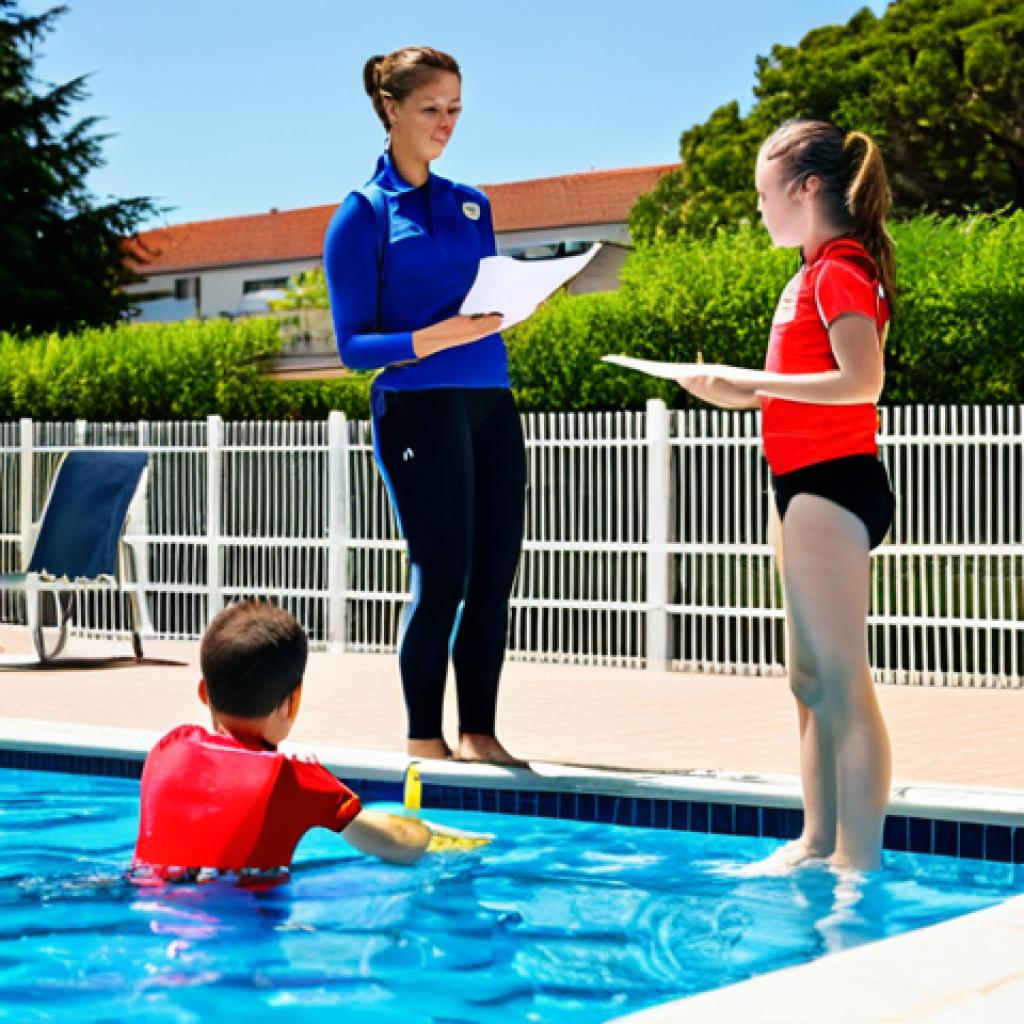
To address this, I revamped my initial assessment process. Instead of just asking about their swimming experience, I started digging deeper. I began using a detailed questionnaire that explored their motivations, fears, and specific objectives. “What do you *really* want to get out of these lessons?” became my mantra. If they were training for a triathlon, we’d focus on endurance and open water skills. If they were terrified of the deep end, we’d spend more time building confidence and practicing buoyancy exercises. I even started incorporating a short interview to build rapport and gain a better understanding of their personalities. It was a game changer! I felt much closer to each student and could tailor my instruction accordingly.
2. Creating Customized Training Plans
Armed with this information, I began creating personalized training plans. No more one-size-fits-all! I used spreadsheets to track individual progress, noting strengths, weaknesses, and areas for improvement. I incorporated a mix of drills, games, and activities that catered to their specific needs and learning styles. For example, one of my students, a young girl named Lily, was incredibly shy and hesitant. To build her confidence, I introduced a series of fun, water-based games that encouraged interaction and cooperation. She blossomed! It was amazing to see her transform from a timid beginner into a confident swimmer.
Revamping Communication Strategies: It’s More Than Just “Kick Harder!”
Another recurring theme in the feedback was the need for clearer and more effective communication. Apparently, my instructions were sometimes confusing or too technical. I realized I was falling into the trap of using jargon that only made sense to experienced swimmers. “Increase your DPS (distance per stroke)” meant absolutely nothing to a beginner! I needed to simplify my language and provide more visual demonstrations.
1. Embracing Visual Aids and Demonstrations
I started using visual aids, like laminated diagrams of proper stroke technique, and incorporating more demonstrations into my lessons. I broke down complex movements into smaller, more manageable steps. I also started using analogies and metaphors to help students understand the concepts. For example, I would tell them to imagine their arm as a paddle, slicing through the water like a knife through butter. It sounds cheesy, but it worked! People learn in different ways, and visuals can be super helpful.
2. Active Listening and Encouraging Questions
I also made a conscious effort to listen more actively and encourage questions. I would pause frequently during my explanations and ask, “Does that make sense?” or “Do you have any questions?” If someone looked confused, I would rephrase my explanation or provide a different example. I also emphasized that there were no “stupid questions” and that it was okay to ask for clarification. Creating a safe and supportive learning environment was key to building trust and fostering open communication.
Incorporating Mindfulness and Breathing Techniques: Beyond the Physical
Swimming is not just about physical strength and technique; it’s also about mental focus and emotional control. I realized that many of my students struggled with anxiety and fear, especially in deep water. To address this, I started incorporating mindfulness and breathing techniques into my lessons. These techniques helped them to relax, focus, and manage their emotions in the water.
1. Teaching Diaphragmatic Breathing
I taught them diaphragmatic breathing, a technique that involves breathing deeply from the abdomen. This type of breathing helps to calm the nervous system and reduce anxiety. I would have them practice breathing exercises before getting into the water, and during breaks between drills. Many found it incredibly helpful for managing their nerves and improving their performance.
2. Guiding Visualization Exercises
I also introduced visualization exercises. I would ask them to close their eyes and imagine themselves swimming effortlessly through the water, feeling calm and confident. This helped to reprogram their minds and build positive associations with swimming. One of my students, a middle-aged man named Tom, had a lifelong fear of water. After a few weeks of practicing these techniques, he was able to swim across the pool without any anxiety. It was a truly remarkable transformation.
Leveraging Technology for Enhanced Learning
In today’s digital age, technology offers a wealth of opportunities to enhance the learning experience. I began experimenting with different apps, tools, and resources to supplement my in-person instruction. This not only made the lessons more engaging but also provided students with valuable resources to practice and improve their skills outside of class.
1. Utilizing Video Analysis
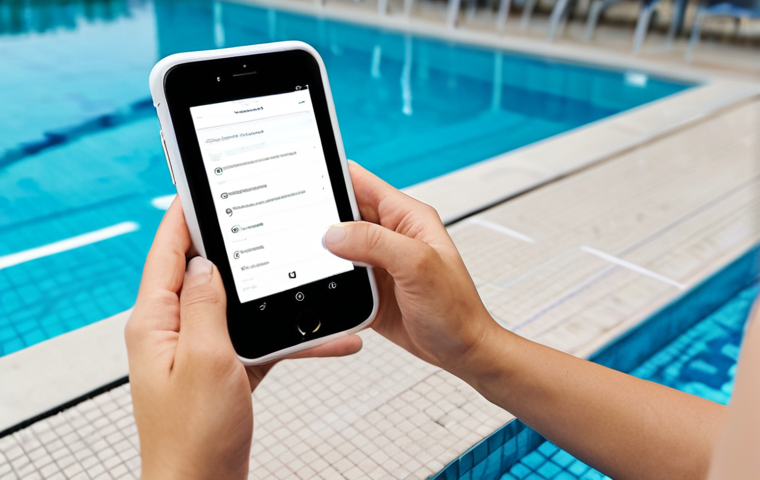
One of the most effective tools I used was video analysis. I would record students swimming, then play back the footage and provide detailed feedback on their technique. This allowed them to see exactly what they were doing wrong and how to correct it. I used a simple smartphone and a tripod to capture the footage. Then, I would upload the videos to a private YouTube channel and share them with my students. They could then review the videos at their own pace and focus on specific areas for improvement.
2. Recommending Swimming Apps and Online Resources
I also started recommending swimming apps and online resources. There are many great apps available that provide stroke analysis, training plans, and other helpful tools. I would encourage my students to explore these resources and find ones that suited their needs and learning styles. I also created a list of reputable websites and YouTube channels that offered free swimming tutorials and advice.
Tracking Progress and Providing Regular Feedback
Regular feedback is essential for motivation and improvement. I realized that I wasn’t providing enough consistent and detailed feedback to my students. I needed to find a way to track their progress more effectively and provide them with regular updates on their performance.
1. Implementing a Progress Tracking System
I implemented a simple progress tracking system using a Google Sheet. I created a spreadsheet for each student and tracked their performance on various drills and exercises. I also noted their strengths, weaknesses, and areas for improvement. This allowed me to see their progress over time and identify any areas where they were struggling. I shared these spreadsheets with my students so they could track their own progress and stay motivated.
2. Scheduling Regular Check-ins and Providing Constructive Criticism
I also started scheduling regular check-ins with my students. These check-ins were an opportunity to discuss their progress, address any concerns, and provide constructive criticism. I made sure to focus on their strengths and highlight areas where they had improved. I also provided them with specific and actionable feedback on how they could continue to improve. I learned that even negative feedback can be received positively if it is delivered with empathy and a genuine desire to help them succeed.
The Results: Happier Students, Better Swimmers
The changes I made to my teaching methods had a significant impact on my students’ progress and satisfaction. They were more engaged, motivated, and confident. Their swimming skills improved dramatically, and they were more likely to achieve their goals. I also noticed a significant increase in positive feedback and referrals. The word-of-mouth was powerful!
| Improvement Area | Action Taken | Result |
|---|---|---|
| Personalized Goal Setting | Conducted thorough initial assessments, created customized training plans | Students were more motivated and achieved their specific goals |
| Communication Strategies | Embraced visual aids, active listening, encouraged questions | Improved understanding and engagement |
| Mindfulness and Breathing | Taught diaphragmatic breathing, guided visualization exercises | Reduced anxiety and improved focus |
| Technology Integration | Utilized video analysis, recommended swimming apps | Enhanced learning experience and provided resources for practice |
| Progress Tracking and Feedback | Implemented a progress tracking system, scheduled regular check-ins | Improved motivation and provided constructive criticism |
The experience taught me the importance of continuous learning and adaptation. As instructors, we must be willing to listen to our students, embrace new technologies, and constantly strive to improve our teaching methods. By doing so, we can create a more positive and effective learning environment for everyone.
Continuing Education and Skill Development
The journey of a swimming instructor doesn’t end with mastering the basic strokes. Continuous learning and skill development are crucial for staying up-to-date with the latest techniques, trends, and safety guidelines. This ensures that I provide the best possible instruction and create a safe and enjoyable learning environment for my students.
1. Attending Workshops and Seminars
I make it a point to attend workshops and seminars on a regular basis. These events provide valuable opportunities to learn from experienced instructors, network with other professionals, and stay informed about the latest developments in the field. I recently attended a workshop on adaptive swimming, which taught me how to modify my instruction to accommodate students with disabilities. This has allowed me to expand my reach and provide swimming lessons to a wider range of individuals.
2. Pursuing Certifications and Advanced Training
I am also committed to pursuing certifications and advanced training. I recently obtained my lifeguard certification, which has equipped me with the skills and knowledge necessary to respond to emergencies and ensure the safety of my students. I am also planning to pursue advanced training in stroke analysis and correction. This will enable me to provide even more detailed and personalized feedback to my students.
Concluding Thoughts
Looking back, I’m incredibly proud of the progress my students have made, and I’m humbled by the positive impact I’ve had on their lives. Swimming is not just a sport; it’s a life skill that can bring joy, confidence, and a sense of accomplishment. I’m excited to continue learning and growing as an instructor, and I look forward to helping many more people discover the magic of swimming.
The journey of improvement never truly ends. There’s always something new to learn, some new technique to master, or some new way to connect with my students. I am excited to continue my journey of becoming a better instructor, and I look forward to helping more people achieve their swimming goals.
Useful Information
Here are some resources that I find helpful in my swimming journey.
1. SwimOutlet.com: A great place to buy swimwear, equipment, and accessories. They have a wide selection of products at competitive prices.
2. USMS (United States Masters Swimming): The official governing body for adult swimming in the United States. They offer a variety of programs, events, and resources for swimmers of all levels.
3. MySwimPro: A popular swimming app that provides personalized training plans, stroke analysis, and other helpful tools. It’s a great way to track your progress and stay motivated.
4. The Swimming Wizard YouTube Channel: A great source of free swimming tutorials and advice. He covers a wide range of topics, from basic stroke technique to advanced training strategies.
5. Local YMCA or Community Pool: A great place to find swimming lessons, group fitness classes, and other aquatic programs. Check their website or contact them directly for more information.
Key Takeaways
Personalized instruction is crucial for meeting individual needs and goals.
Clear and effective communication enhances understanding and engagement.
Mindfulness and breathing techniques can reduce anxiety and improve focus.
Technology can be leveraged to enhance the learning experience and provide resources for practice.
Regular feedback and progress tracking are essential for motivation and improvement.
Frequently Asked Questions (FAQ) 📖
Q: What specific feedback did you receive that prompted these changes?
A: Honestly, it was a mix of things. Some students felt the lessons were too generic and didn’t address their specific fears or goals. Others mentioned they wanted more emphasis on building confidence in the water, not just perfecting strokes.
There were a few comments about making the warm-up exercises more engaging too – apparently, endless laps get old fast! It was tough to hear at first, but super helpful.
Q: How did you incorporate mental well-being into your swimming lessons?
A: This was a big one! I started by spending the first few minutes of each lesson just talking with my students. What are they feeling nervous about?
What are they hoping to achieve? I’ve also started using positive affirmations and visualization techniques. For example, if someone’s struggling with diving, we’ll spend a few minutes picturing themselves doing it successfully.
And tons of praise, of course! Celebrating small victories is key to boosting confidence.
Q: What kind of personalized goals do you help your students set?
A: It really depends on the individual. For some, it’s simply overcoming their fear of the water. For others, it’s completing a triathlon or improving their lap times.
I work with each student to define a SMART goal – Specific, Measurable, Achievable, Relevant, and Time-bound. This gives them a clear target to aim for and helps track their progress.
One of my students, Sarah, just wanted to swim one length of the pool without stopping. We broke that down into smaller steps, celebrated each milestone, and she crushed it!
📚 References
Wikipedia Encyclopedia
구글 검색 결과
구글 검색 결과
구글 검색 결과
구글 검색 결과
구글 검색 결과