You know, there’s nothing quite like watching someone finally nail that perfect stroke after weeks of practice, and a huge part of that success often comes down to an amazing swim instructor.
But let’s be honest, how often do we really take a moment to assess if our instructors are truly hitting the mark, not just for the students, but for the entire swim school experience?
It’s something I’ve personally thought a lot about, especially after seeing how much difference a great teacher makes. Finding effective ways to gather feedback isn’t just about spotting areas for improvement; it’s about celebrating successes and fostering a positive, growth-oriented environment that keeps everyone coming back for more.
In today’s competitive world, just hoping for the best isn’t enough; we need actionable insights. We’re past the days of a simple suggestion box, aren’t we?
Understanding satisfaction levels, from the tiny tots splashing around to adults perfecting their laps, is crucial for both student retention and an instructor’s professional journey.
From my own observations and conversations with countless parents and swimmers, a systematic approach to feedback can genuinely transform a program. It’s about creating a loop where everyone feels heard and valued, ultimately leading to a more vibrant and effective learning space.
Ready to dive into the best strategies for measuring swimming instructor satisfaction that truly make a splash? Let’s accurately find out how we can do this.
Harnessing the Power of Direct Feedback: Beyond the Suggestion Box
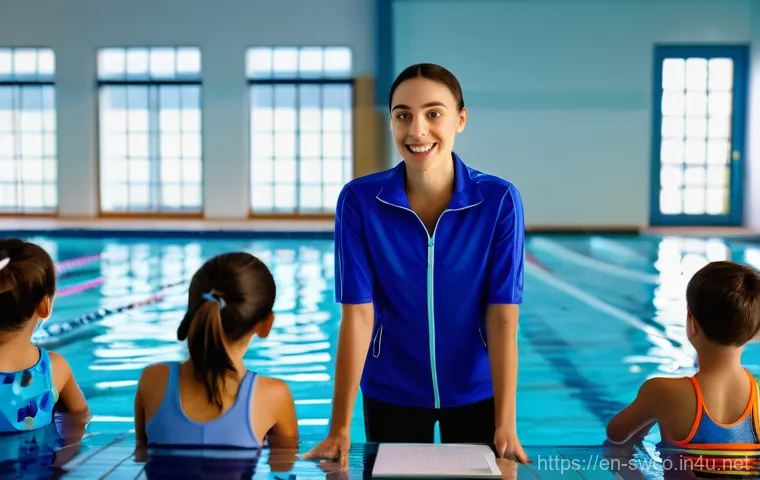
You know, for years, it felt like the only way we gathered feedback was through a dusty suggestion box in the corner, or maybe a quick chat in the hallway that rarely led to anything substantial. But honestly, if we’re serious about creating an exceptional swim program, we have to dig deeper. It’s about moving past passive collection and actively seeking out those gold nuggets of information. When I first started really focusing on this, I realized how much we were missing by not engaging directly with our students and their families. It’s a completely different ballgame when you sit down, look someone in the eye, and genuinely ask about their experience. It builds trust, shows you care, and often uncovers insights you’d never get from a generic form. Think about it – a swimmer who’s struggling with a particular stroke might not fill out a form, but in a casual conversation, they might open up about feeling rushed or misunderstood. These are the moments where real improvement begins, not just for the instructor, but for the entire school. We’re not just teaching swimming; we’re building relationships, and those relationships thrive on open, honest communication. It’s about creating an environment where everyone feels safe to share, knowing their input is valued and will actually lead to positive changes. This proactive approach to feedback has genuinely transformed how I view program development and instructor support.
Structured Conversations and Interviews
One of the most effective methods I’ve personally found for gaining truly insightful feedback is through structured, one-on-one conversations or small group interviews. Instead of just a general “How was it?”, we develop specific, open-ended questions designed to explore different facets of the instructor’s performance and the student’s learning journey. For instance, we might ask, “What’s one thing your instructor did this week that really helped you understand a new technique?” or “How comfortable do you feel asking questions during your lesson?” This isn’t about grilling anyone; it’s about empathetic listening. I remember one parent telling me how much they appreciated an instructor’s patience with their hesitant child, something that wouldn’t have been captured by a simple rating. These discussions provide rich qualitative data that helps us understand the nuances of satisfaction, the emotional impact of a lesson, and pinpoint exactly where our instructors are excelling or might need a little extra support. It feels more human, more genuine, and definitely more revealing than any checkbox survey.
Anonymous Feedback Channels
While direct conversations are fantastic, there’s an undeniable power in anonymous feedback. Some people, bless their hearts, just aren’t comfortable sharing critical thoughts face-to-face, even with the best intentions. That’s where a well-designed anonymous channel comes in. It could be an online survey tool, a digital suggestion box, or even old-school physical forms placed strategically. The key is to make it genuinely anonymous and ensure people trust that their input won’t be traced back to them. I’ve seen firsthand how a well-implemented anonymous survey can bring to light common themes or subtle issues that might otherwise go unnoticed. Perhaps multiple students mention feeling rushed during warm-ups, or a few parents note inconsistencies in communication. These trends, when viewed collectively, provide invaluable data for professional development without singling anyone out. It creates a safety net for honest critique, allowing instructors to grow from feedback that might be too sensitive for a direct approach. The beauty of it is that it empowers everyone to contribute to the school’s improvement, fostering a collective sense of ownership.
Leveraging Digital Tools for Deeper Insights
In today’s fast-paced world, relying solely on paper forms or informal chats just won’t cut it anymore. Technology has given us incredible tools that can revolutionize how we gather and analyze feedback, helping us move from guesswork to genuine, data-driven decisions. When I first started exploring different digital platforms, I was amazed at how much easier it became to collect structured feedback, track trends over time, and even identify specific areas where an instructor might shine or need some focused coaching. It’s like having a dedicated assistant compiling all the information, allowing us to spend more time acting on the insights rather than just collecting them. Plus, for many parents and students, digital forms are simply more convenient. They can fill them out on their phone after a lesson, at home, or whenever it suits them, leading to higher response rates and more timely feedback. This shift to digital isn’t just about efficiency; it’s about unlocking a deeper, more comprehensive understanding of our instructors’ impact and tailoring our support to their individual needs.
Online Survey Platforms and Analytics
Gone are the days of manual tallying! Online survey platforms like SurveyMonkey, Google Forms, or Typeform have become indispensable for us. These tools allow us to create visually appealing, easy-to-complete surveys that can be distributed via email, QR codes, or direct links. What I love most about them is the integrated analytics. You can instantly see response rates, average scores, and even identify common keywords in open-ended responses. I remember a time when we started using a platform that allowed us to create custom dashboards. We could filter feedback by instructor, by skill level, or even by time of day. This level of detail was a game-changer. Suddenly, we weren’t just getting feedback; we were getting actionable data. It highlighted instructors who consistently received rave reviews for their patience with beginners, or those who could benefit from a workshop on engaging older kids. It transforms feedback from a chore into a powerful strategic asset, allowing us to celebrate successes and address challenges with precision.
Automated Check-ins and Follow-ups
One of the challenges with feedback is consistency. It’s easy for things to fall through the cracks, especially when you have a busy schedule. This is where automated check-ins truly shine. Imagine setting up a system where, a day after a student’s first lesson, they receive an automated email asking for initial impressions. Or, perhaps after a month, a short survey pops up to gauge overall satisfaction and progress. These timely prompts not only increase response rates but also capture feedback when the experience is still fresh in mind. I’ve found that these automated touchpoints demonstrate to our clients that we’re constantly thinking about their experience, even when we’re not physically with them. It’s a subtle but powerful way to build loyalty and ensure that minor issues are caught and addressed before they become major problems. Plus, it frees up our staff to focus on direct interaction, knowing that the automated system is working in the background to keep the feedback loop alive and thriving. It’s all about creating a continuous conversation, not just a one-off request for input.
The Art of Observational Assessment: What We See (and Don’t See)
You know, for all the amazing feedback we can gather directly from students and parents, there’s still an invaluable layer of insight that comes from simply *watching*. It’s a completely different perspective – observing an instructor in their natural element, seeing how they interact with different personalities, how they manage a class, and how they adapt when things don’t go exactly as planned. I’ve spent countless hours poolside, not just as a supervisor, but as an observer trying to understand the dynamics. What’s fascinating is that sometimes, what an instructor *thinks* they’re doing, or what a student *says* they’re experiencing, might differ slightly from what’s actually happening in the water. Observing allows us to catch those subtle cues, the non-verbal communication, the moments of true connection, or perhaps where a teaching method might be falling flat. It’s about combining subjective reports with objective reality to get a full, 360-degree picture. This isn’t about “spying”; it’s about providing constructive, in-the-moment feedback that can immediately elevate an instructor’s craft and ultimately enhance the student experience. It’s a crucial component in truly understanding instructor satisfaction and performance, because seeing is believing, especially in a dynamic environment like a swim lesson.
Structured Classroom Observations
To make observations truly effective, they need to be structured. Just randomly popping in isn’t enough; it can feel intrusive and doesn’t always yield consistent results. We’ve developed observation rubrics that focus on key teaching behaviors: communication clarity, demonstration effectiveness, class management, adaptability, and rapport-building. During an observation, a trained supervisor uses this rubric to take detailed notes, highlighting specific instances of positive practice and areas for growth. I remember conducting an observation where an instructor was incredibly skilled at demonstrating strokes, but I noticed they rarely checked for understanding from the younger kids, assuming their demonstration was enough. This insight, shared gently and constructively afterward, led to a simple adjustment that significantly improved student comprehension. Structured observations provide concrete examples for feedback conversations, making them less about subjective judgment and more about objective improvement. It’s about giving instructors tangible tools and strategies to refine their teaching, fostering a growth mindset rather than creating a sense of being judged.
Peer Observation and Mentorship Programs
Beyond supervisor observations, there’s immense value in peer observation. I’ve found that when instructors observe each other, they often gain unique perspectives and develop a stronger sense of camaraderie. It’s a powerful form of professional development where colleagues can learn from each other’s strengths and offer supportive, constructive feedback. We’ve implemented a mentorship program where experienced instructors are paired with newer ones, and part of that involves observing lessons. This isn’t about evaluation; it’s about shared learning and growth. An experienced instructor might notice a subtle technique for handling a shy child that a new instructor could immediately apply. The discussions that follow these observations are rich, practical, and incredibly empowering. It creates a supportive community of practice where everyone feels invested in each other’s success, leading to higher job satisfaction and a stronger, more cohesive teaching team. It’s truly a win-win, fostering both individual growth and collective excellence within the swim school.
Creating a Culture of Continuous Improvement and Recognition
Honestly, measuring satisfaction isn’t just about collecting data; it’s about what you *do* with it. For me, the real magic happens when feedback isn’t seen as a criticism, but as a stepping stone to becoming even better. It’s about weaving a culture where continuous improvement isn’t just a buzzword, but a lived reality for every single instructor. This means celebrating successes loudly, addressing challenges constructively, and consistently showing our team that their efforts are seen, valued, and genuinely appreciated. When instructors feel supported, recognized, and know that their professional growth is a priority, their satisfaction naturally soars. It’s a simple human truth: people thrive when they feel connected to a purpose and are given the tools to excel. If we only ever focus on what needs fixing, we miss out on the incredible opportunity to build morale and reinforce the amazing work our instructors are doing every single day. Creating this positive loop ensures that feedback mechanisms aren’t just tolerated, but actively embraced as vital to personal and collective success.
Regular Performance Reviews and Goal Setting
One of the most foundational elements in fostering this culture is through regular, meaningful performance reviews. These aren’t just annual check-ins; they’re ongoing conversations where we review collected feedback, discuss observations, and collaboratively set goals for growth. I’ve learned that the key here is making it a two-way street. It’s not just me telling an instructor what they need to improve; it’s about them reflecting on their own performance and identifying areas where they want to develop. We use the data from surveys and observations to inform these discussions, making them objective and specific. For example, if feedback consistently highlights difficulty in engaging toddlers, we might set a goal to attend a specialized workshop or observe a colleague known for their excellent toddler classes. This personalized approach to goal setting makes the review process feel empowering rather than daunting, directly linking feedback to tangible professional development and boosting an instructor’s sense of accomplishment and value.
Recognition Programs and Incentives
Who doesn’t love to be recognized for their hard work? It sounds simple, but robust recognition programs are incredibly powerful motivators and directly contribute to instructor satisfaction. This can range from simple shout-outs in team meetings for specific achievements – like an instructor getting glowing feedback about helping a child overcome fear – to more formal “Instructor of the Month” awards, or even performance-based bonuses linked to high satisfaction scores. I’ve seen firsthand the ripple effect of genuine appreciation. When instructors see their efforts being acknowledged, it not only boosts their morale but also encourages others to strive for similar excellence. It creates a positive competitive spirit and reinforces the behaviors we want to see. Think about it: a small thank you, a public commendation, or a modest bonus can go a long way in making an instructor feel truly valued and invested in their role, leading to higher retention and a more dedicated teaching staff. It’s about celebrating the wins, big and small, and making sure every instructor feels like an essential part of the team’s success.
Understanding the Parent Perspective: Our Unsung Allies
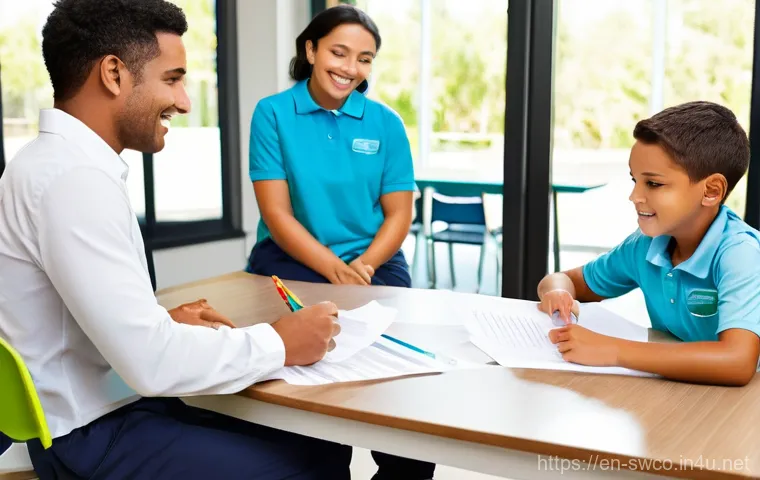
If you’re running a swim school, you know that parents are absolutely vital to your success. They’re not just clients; they’re often the most insightful observers of their child’s progress and the instructor’s impact. Their perspective is absolutely golden, offering a unique lens through which we can assess instructor satisfaction and overall program effectiveness. I’ve always made it a point to connect with parents, not just about their child’s swimming, but about their broader experience. What I’ve found is that their satisfaction often hinges on things beyond just stroke technique – it’s about communication, patience, encouragement, and how their child *feels* after a lesson. A parent might notice an instructor’s incredible ability to calm a nervous child, or conversely, a lack of consistent communication about their child’s progress. These insights are invaluable because they directly tie into student retention and word-of-mouth referrals, which, let’s be honest, are the lifeblood of any swim school. Ignoring the parent perspective is like trying to navigate with one eye closed; you’re missing half the picture.
Parent-Teacher Conferences and Feedback Forms
Just like in traditional schools, parent-teacher conferences can be incredibly effective, even in a swim lesson context. Scheduling short, informal check-ins with parents, either in person or virtually, provides a dedicated space for them to share their observations and ask questions. We’ve also designed specific parent feedback forms that are concise and easy to complete, focusing on aspects important to them, such as perceived progress, instructor communication, class management, and overall enjoyment. I remember one parent who, during a quick chat, mentioned their child was struggling with understanding a particular instruction, and it turned out the instructor was using technical terms without realizing the child didn’t grasp them. This direct feedback allowed us to provide coaching to the instructor on simplifying language, which instantly improved that student’s learning experience. These forms and conversations are essential because they give parents a voice and reassure them that their input is genuinely valued, fostering a collaborative partnership that ultimately benefits the student and the instructor.
Online Communities and Social Media Monitoring
In today’s digital age, parents are often sharing their experiences in online communities, local forums, or on social media. While it might seem daunting, actively monitoring these platforms can provide a wealth of unfiltered feedback. It’s not about being Big Brother; it’s about being tuned into the conversations happening about our school and our instructors. I’ve personally learned so much by seeing what parents are discussing organically – the instructors they rave about, the common questions that arise, or even constructive criticisms about aspects of the program. This kind of “listening in” can give us early warnings of potential issues or highlight instructors who are consistently making a fantastic impression. For instance, if several parents independently mention an instructor’s incredible enthusiasm on a community page, that’s powerful validation. It offers a real-time pulse on public sentiment and allows us to address concerns or amplify positive stories proactively, strengthening our reputation and ensuring instructor efforts are recognized where it matters most to parents.
| Feedback Method | Best For | Key Benefit | Considerations |
|---|---|---|---|
| Anonymous Surveys | Collecting candid, broad feedback from many | High honesty, identifies common themes | Lower personal connection, may lack detail |
| Direct Interviews/Focus Groups | Deep dives into specific experiences and emotions | Rich qualitative data, builds rapport | Time-consuming, can be influenced by group dynamics |
| Observation Sessions | Assessing teaching techniques and student engagement firsthand | Objective view of classroom management, skill transfer | Requires trained observers, can be intrusive |
| Parent/Swimmer Feedback Forms | Regular, structured input on ongoing lessons | Timely adjustments, tracks progress | Response rates vary, potential for bias |
The Swimmer’s Voice: Why Every Splash Matters
Alright, so we’ve talked about parents and observations, but let’s be real for a second: the absolute heart of any swim program is the swimmer themselves. Their experience, their joy, their confidence – that’s the ultimate metric, isn’t it? And sometimes, we grown-ups can overthink things and forget to simply ask the kids how *they* feel. I’ve learned that even the littlest splashers have opinions, and often, their directness cuts through all the noise. Their feedback might not be eloquently phrased, but it’s incredibly genuine and tells us so much about their connection with their instructor. When a child lights up talking about their swim teacher, you know that instructor is doing something truly special. Conversely, if a child dreads going to lessons, it’s a huge red flag that needs immediate attention. Tapping into the swimmer’s voice isn’t just a nice-to-have; it’s a non-negotiable component of a truly holistic feedback strategy. It validates their experience, empowers them, and ultimately leads to happier, more engaged students who keep coming back for more. It’s about remembering who we’re really here for.
Kid-Friendly Feedback Activities
Getting feedback from kids requires a bit of creativity, but it’s totally worth it. We’ve introduced “splash journals” where even young children can draw pictures about their lesson or circle happy/sad faces. For older kids, simple questionnaires with emojis or short, direct questions like “What was the most fun thing you did today?” or “What did your instructor help you with?” can be incredibly effective. I remember one little girl drew a huge smile next to her instructor’s name and a tiny frown next to the kickboard she found challenging. That instantly told us the instructor was creating a positive atmosphere even when the learning was tough, which is a massive win! These activities make the feedback process feel like a fun part of their swim journey, rather than a chore. It empowers them by showing their opinions matter and gives us precious insights into their emotional and learning experience, directly impacting instructor satisfaction through positive affirmation and constructive, age-appropriate guidance.
Informal Check-ins During Lessons
Sometimes the best feedback comes in the most informal moments. Instructors themselves can be powerful conduits for gathering real-time insights from their students. A quick check-in during a water break – “How’s that new stroke feeling today?” or “What’s been your favorite part of the lesson so far?” – can open the door to candid responses. It’s about building rapport to the point where kids feel comfortable sharing their thoughts, even if it’s just a shrug or a beaming smile. I’ve often encouraged our instructors to pay attention to these micro-expressions and casual comments. They’re often more revealing than a formal survey. This continuous, low-pressure feedback loop allows instructors to make immediate adjustments, address minor frustrations before they escalate, and reinforce what’s working well. It’s an organic way to keep a pulse on student satisfaction from the ground up, fostering a dynamic and responsive learning environment where every child feels truly seen and heard during their swim journey.
Connecting Instructor Satisfaction to Business Success
At the end of the day, all this effort – gathering feedback, implementing new strategies, fostering a culture of growth – it all ties back to the bottom line, doesn’t it? A swim school isn’t just a place for learning; it’s a business. And what I’ve consistently seen is an undeniable link between high instructor satisfaction and tangible business success. Happy instructors aren’t just nicer to be around; they’re more engaged, more effective, and far more likely to stick around. This translates directly into higher student retention, glowing word-of-mouth referrals, and a stronger reputation in the community. Think about it: an instructor who feels valued and supported is going to pour their heart and soul into every lesson, and that energy is contagious. Students feel it, parents notice it, and everyone benefits. Conversely, a high turnover rate among instructors can be incredibly damaging, leading to inconsistent teaching, frustrated students, and a decline in overall program quality. Investing in instructor satisfaction isn’t an expense; it’s perhaps the smartest investment you can make in the long-term health and profitability of your swim school.
Impact on Student Retention and Referrals
It’s a truth universally acknowledged in the swim world: happy students stick around, and their happy parents tell everyone they know. And at the core of that happiness? Often, it’s an amazing instructor. When instructors are satisfied, they bring their A-game every day. They’re more patient, more enthusiastic, and more invested in each student’s progress. This direct impact on the student experience is paramount for retention. I’ve personally tracked how positive instructor feedback correlates almost perfectly with students re-enrolling for subsequent sessions. Moreover, satisfied students and parents become your best marketing team. They share their positive experiences on social media, with friends at school, and in local community groups. I remember one instance where a new family joined us explicitly because their neighbor couldn’t stop raving about their child’s instructor. This organic word-of-mouth is invaluable, driving new enrollments without massive advertising budgets. It’s a powerful ripple effect where satisfied instructors create satisfied students, who then become advocates for your school, directly fueling business growth.
Reducing Instructor Turnover and Recruitment Costs
High instructor turnover is a silent killer for any swim school. The constant cycle of recruiting, hiring, and training new staff is not only time-consuming but incredibly expensive. Every time you lose an experienced instructor, you lose institutional knowledge, established student relationships, and a consistent teaching style. This is where prioritizing instructor satisfaction truly pays dividends. When instructors feel valued, supported, and have opportunities for growth, they are far more likely to stay. I’ve found that even small gestures – like celebrating milestones or providing professional development opportunities – can significantly boost loyalty. Reducing turnover means you maintain a strong, experienced teaching team, which directly translates to higher quality instruction and a more stable learning environment for students. It also drastically cuts down on those hidden costs associated with recruitment, background checks, and initial training. Essentially, a happy instructor workforce is a stable workforce, and a stable workforce is a profitable workforce, making satisfaction not just a nice-to-have, but a core business strategy.
Wrapping Things Up
Whew, we’ve covered a lot, haven’t we? It’s truly amazing how deeply connected instructor satisfaction is to the beating heart of our swim school. What I’ve really taken away from years in this field is that when our instructors feel valued, heard, and supported, that energy ripples outwards. It translates into more engaging lessons, happier swimmers, and ultimately, a thriving business that continues to make a real splash in the community. It’s not just about teaching swimming; it’s about nurturing a team that genuinely loves what they do, and that passion is absolutely contagious. Let’s keep fostering environments where everyone feels empowered to grow and excel!
Handy Tips You’ll Wish You Knew Sooner
1. Diversify Your Feedback Channels: Don’t just stick to one method! Mix it up with anonymous surveys, direct conversations, and even creative kid-friendly activities. The more avenues you offer, the more honest and comprehensive insights you’ll gather. It’s like having multiple lenses to view the same picture – you simply see more. Remember, some feedback is best given face-to-face, while other vital bits only emerge from true anonymity.
2. Invest in Continuous Professional Development: Your instructors are your greatest asset, so treat them that way! Offer regular workshops, mentorship programs, and opportunities for them to learn new techniques or refine existing ones. Happy instructors are growing instructors, and their growth directly translates to better lessons and more satisfied students. It shows them you’re invested in their journey, not just their immediate output.
3. Cultivate a Culture of Recognition and Appreciation: Seriously, a sincere “thank you” goes a long way. Implement formal and informal recognition programs, whether it’s a “Shout-out Board,” an “Instructor of the Month” award, or simply acknowledging their hard work in team meetings. When instructors feel seen and appreciated, their morale, motivation, and loyalty soar. It builds a positive feedback loop that benefits everyone involved.
4. Harness the Power of Digital Tools: Embrace online survey platforms and automated check-ins. These tools don’t just make feedback collection easier; they provide powerful analytics that can help you identify trends, pinpoint areas for improvement, and track progress over time. It transforms raw data into actionable insights, allowing you to be proactive rather than reactive. Plus, it’s often more convenient for busy parents!
5. Prioritize the Swimmer’s Voice (and the Parents!): Never forget who you’re ultimately serving. Actively seek feedback from both students and their parents through interviews, simple forms, or even just informal chats. Their experiences are invaluable for understanding instructor effectiveness and overall program quality. When you listen to their perspectives, you build stronger relationships and ensure your program truly meets their needs and expectations.
Key Takeaways for a Thriving Swim School
To truly excel and stand the test of time, our swim school needs to consistently prioritize instructor satisfaction as a core business strategy. Happy, supported instructors are the bedrock of student retention, glowing referrals, and reduced recruitment costs, directly fueling our growth and reputation. By embracing diverse feedback methods, fostering a culture of continuous improvement, and genuinely valuing our teaching team, we create a powerful positive cycle that benefits everyone involved – our staff, our swimmers, and our bottom line. It’s about building a community where every splash and every smile counts.
Frequently Asked Questions (FAQ) 📖
Q: Why is gathering feedback on swim instructors so incredibly important, anyway?
A: You know, it’s funny how often we just assume everything’s going swimmingly, pun intended! But truly, taking the pulse on instructor satisfaction isn’t just a nice-to-have; it’s absolutely vital for the heartbeat of any successful swim program.
From what I’ve seen firsthand, happy swimmers—whether they’re little guppies or seasoned adults—are retained swimmers. If a student feels a real connection with their instructor, like they’re truly being heard and making progress, they’re not just learning to swim; they’re loving to swim.
This translates directly into higher retention rates, which, let’s be honest, is a massive win for any swim school. Beyond that, constructive feedback is a goldmine for instructors themselves.
It’s how they grow, refine their techniques, and feel valued. When instructors feel supported and see their efforts making a difference, their morale soars, and that energy is contagious in the pool.
Ultimately, it’s about creating a truly vibrant, effective, and positive learning environment where everyone thrives. It’s not just about spotting what needs fixing; it’s about celebrating those incredible moments of progress and ensuring the whole team is moving forward together.
Q: What are some practical, easy ways to actually get this feedback from swimmers and parents without it feeling like a chore?
A: Okay, so we all know those clunky, endless surveys that just sit in our inboxes, right? No one has time for that! The trick to getting honest, helpful feedback is to make it super quick and painless.
In my experience, one of the most effective strategies is short, targeted digital surveys—think three to five questions tops—sent out after a session or at the end of a course.
Tools like Google Forms or SurveyMonkey can make this a breeze. Another fantastic, often overlooked method is just having informal chats. Seriously!
A quick, friendly “How was class today?” to a parent at pick-up or even a chat with an older swimmer can reveal so much more than a formal questionnaire.
I’ve also found that a dedicated, anonymous digital suggestion box (again, keep it simple!) that’s consistently promoted can be really effective. It gives people a no-pressure way to share thoughts as they come to mind.
And don’t forget the power of observation! Sometimes, simply watching a class and seeing the interactions between instructors and students can provide incredible insights.
The key is variety and making it feel like a natural part of the swim school experience, not a chore.
Q: Once we have all this feedback, what’s the best way to use it to truly improve things and make a real splash?
A: This is where the magic really happens, isn’t it? Gathering feedback is just the first stroke; acting on it is the full lap! From my conversations with countless program directors, the most successful approach involves a consistent, transparent process.
First, compile and review the feedback regularly—don’t let it pile up! Look for patterns, both positive and areas needing attention. Then, and this is crucial, share it with your instructors.
Not in a “gotcha!” way, but as a constructive, growth-oriented discussion. Celebrate their wins publicly – “Hey, Mrs. Smith, so many parents mentioned how patient you were this week, awesome!” – and then gently coach on areas for improvement.
It’s a two-way street; give them a chance to share their perspective too. I’ve personally seen programs truly transform by using this feedback to refine lesson plans, offer additional training to instructors, or even adjust class sizes.
And let’s not forget to circle back! If you implement changes based on feedback, communicate that back to the community. It shows you’re listening and that their input truly matters, which builds incredible loyalty and keeps everyone feeling invested in the success of the swim school.