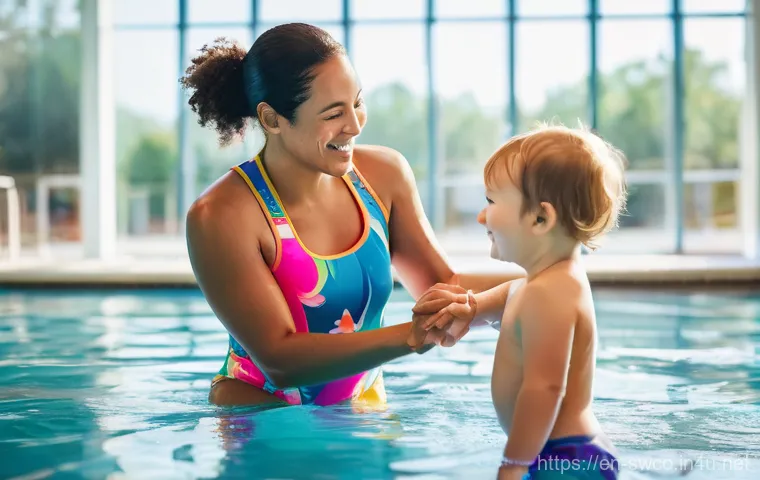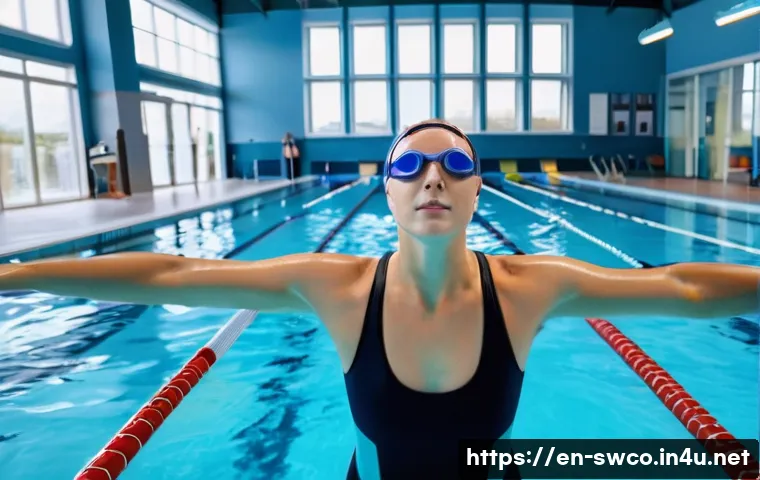
Becoming a certified swimming instructor is a rewarding journey that combines passion, skill, and dedication. I recently took the swimming instructor exam, and the experience was both challenging and enlightening.
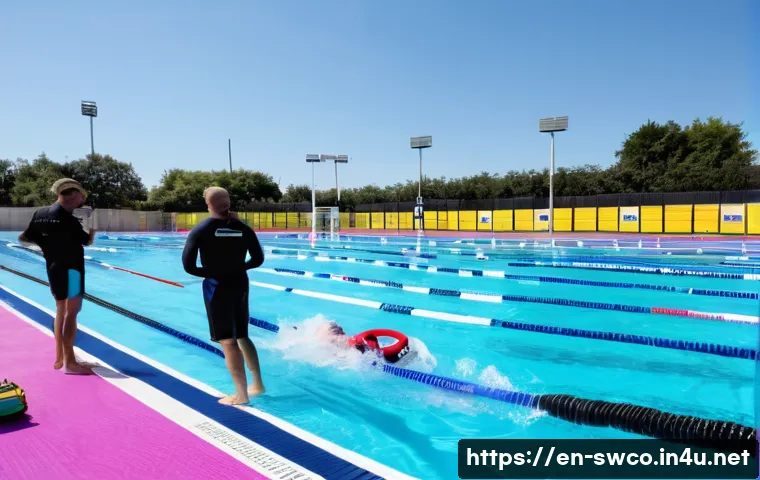
From mastering practical techniques to understanding safety protocols, every step tested my commitment. What stood out the most was how the exam pushed me to grow not just as an instructor, but as a confident swimmer and teacher.
If you’re thinking about taking this path or just curious about what it entails, I’ve got some valuable insights to share. Let’s dive into the details and explore how to succeed in this exciting certification process!
Mastering the Core Skills Required for Certification
Refining Your Swimming Techniques
Becoming a certified swimming instructor demands more than just being a strong swimmer; it requires precise control over various strokes and the ability to teach them effectively.
I found that practicing freestyle, backstroke, breaststroke, and butterfly with an emphasis on form and efficiency was crucial. It’s not about speed alone—judges look for smooth, controlled movements that demonstrate a deep understanding of how each stroke works.
Personally, focusing on drills that improve breathing rhythm and body positioning made a huge difference. It felt rewarding when I could correct my own mistakes and, later, confidently guide others through the same challenges.
The key is consistent practice and not rushing through the fundamentals.
Building Safety and Rescue Proficiency
One aspect that really stood out during my preparation was how much importance the exam placed on safety knowledge. Knowing how to prevent accidents, recognize signs of distress, and execute rescues effectively was non-negotiable.
I took time to study lifeguard techniques and emergency procedures, including CPR and first aid, which are integral to the role. The practical tests involved simulated rescue scenarios that required quick thinking under pressure.
This part of the exam felt intense but also incredibly rewarding because it reinforced the responsibility instructors have beyond just teaching swimming.
The confidence I gained here made me feel truly ready to handle real-life situations.
Understanding the Teaching Methodology
Teaching swimming is as much about communication as it is about skill. The exam tested my ability to break down complex movements into simple, understandable steps for learners of all ages and skill levels.
I learned to use visual aids, demonstrations, and verbal cues effectively. One thing that helped me was observing experienced instructors and noting how they adapt their approach depending on the student’s temperament and progress.
During the oral part of the exam, I had to explain lesson plans and respond to hypothetical teaching challenges, which pushed me to think critically about pedagogy.
This preparation made me realize how much patience and adaptability are essential in this profession.
Preparing Mentally and Physically for Exam Day
Managing Stress and Staying Focused
The day of the exam can feel overwhelming, especially with so many components to cover. I discovered that mental preparation is just as important as physical readiness.
Techniques like visualization and controlled breathing helped me stay calm and focused throughout the testing process. I reminded myself that the exam was an opportunity to showcase what I had learned, not just a hurdle to clear.
Being mentally present allowed me to perform better during timed drills and scenario-based questions. If you’re someone who gets anxious, I highly recommend practicing mindfulness exercises in the weeks leading up to your exam.
Maintaining Physical Stamina
Swimming and instructing require significant endurance, so I made sure my fitness level was up to par. Regular cardio workouts, strength training, and flexibility exercises complemented my swim practice.
On exam day, having the stamina to perform multiple routines and assist others without getting exhausted was vital. I noticed that staying hydrated and eating a balanced meal beforehand also played a role in maintaining energy levels.
If you neglect your physical condition, it can negatively impact your performance, so don’t underestimate this part of your preparation.
Organizing Your Study Schedule
Balancing work, personal life, and exam prep can be tricky. I created a detailed study plan that broke down all the skills and knowledge areas into manageable daily goals.
This structure prevented last-minute cramming and helped me track progress effectively. Mixing practical sessions with theoretical study kept things interesting and reinforced learning.
Allocating time for rest was equally important to avoid burnout. By sticking to this schedule, I felt confident walking into the exam room, knowing I had covered all the necessary ground.
Insights into the Practical Assessment Format
What to Expect in the Pool Tests
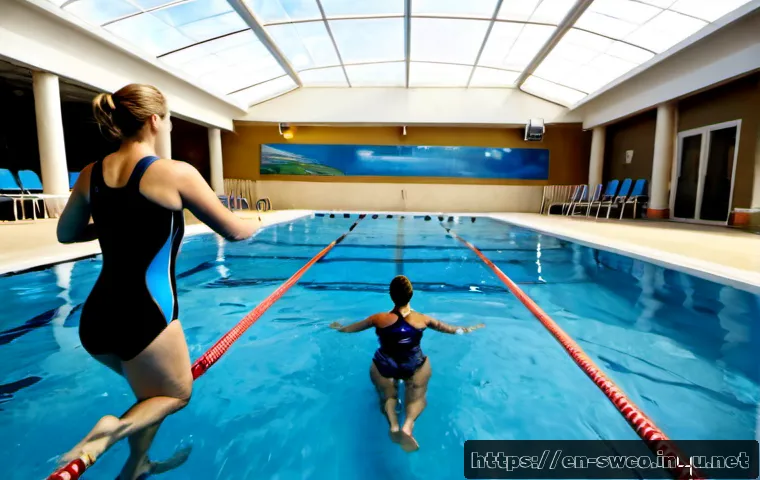
The practical portion of the exam involves demonstrating your own swimming skills, performing rescues, and teaching mini-lessons. I found that each segment is timed and scored separately, with emphasis on technique, safety, and communication.
For example, you might be asked to swim a set distance using multiple strokes, then immediately assist a “distressed swimmer” in a simulated rescue. This part felt demanding because it required switching quickly between physical exertion and instructional demeanor.
Practicing under timed conditions was essential to build the right pacing and confidence.
Handling the Teaching Demonstration
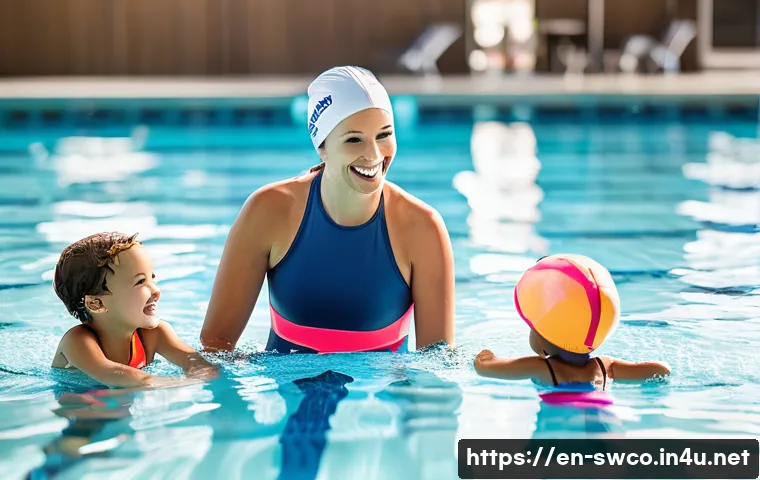
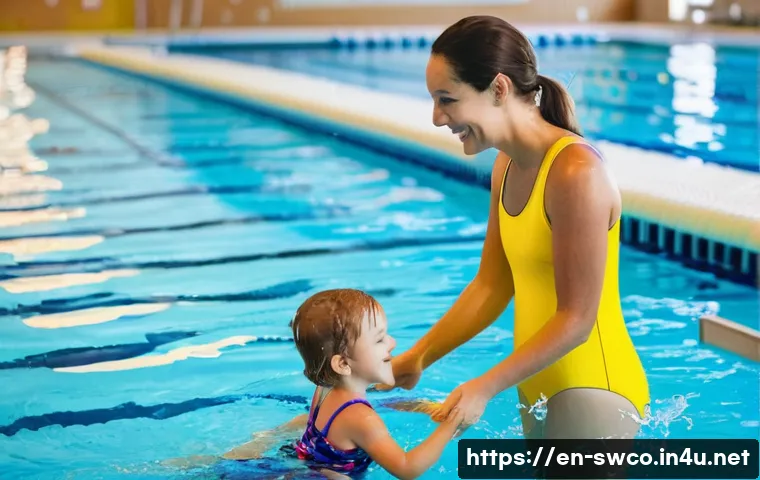
You’ll be expected to conduct a short lesson that shows your ability to teach specific swimming skills. I prepared by planning lessons tailored to different age groups and skill levels, anticipating questions about adapting techniques for beginners or children with fear of water.
During the exam, staying calm and engaging was key—I made sure to maintain eye contact and use clear, encouraging language. This segment highlighted how important it is to connect with learners and adjust your approach on the fly.
Written and Oral Components
The written test covers theory, safety protocols, and teaching methods. I recommend focusing on understanding core concepts rather than memorizing answers because questions often require practical application.
The oral interview assesses your problem-solving and communication skills through scenario-based questions. I practiced answering questions out loud with a friend to simulate the real exam environment.
This preparation helped me articulate my thoughts clearly and confidently, which left a strong impression on the examiners.
Key Resources and Tools That Made a Difference
Utilizing Online Courses and Tutorials
I found that supplementing my hands-on practice with online tutorials and certification prep courses provided a well-rounded learning experience. Video breakdowns of strokes and rescue techniques helped me visualize proper form and common mistakes.
Interactive quizzes reinforced theoretical knowledge and kept me engaged. These resources were especially helpful when I couldn’t access a pool or instructor for feedback.
If you want to maximize your study time, integrating digital tools can make a huge difference.
Practicing with Peer Groups
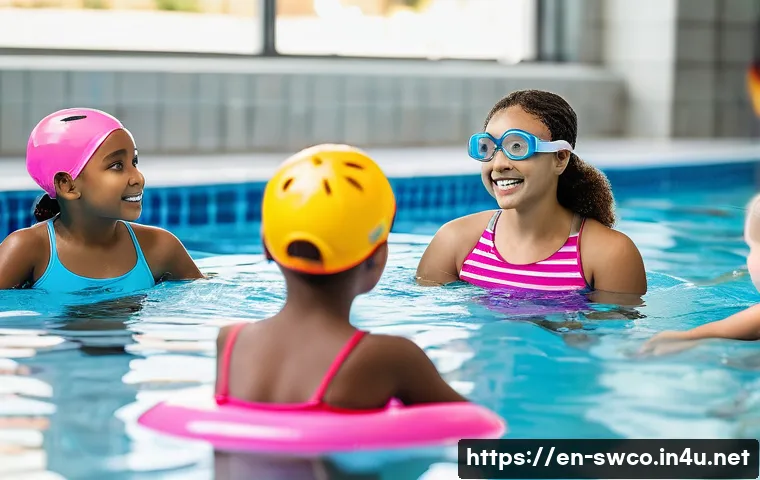
Joining a study group of fellow aspiring instructors proved invaluable. We exchanged tips, practiced teaching each other, and simulated exam conditions.
This peer feedback helped me identify blind spots and improve my delivery. Plus, the moral support kept motivation high during challenging periods. If you can, find a local or online community—it’s a great way to learn from others’ experiences and stay accountable.
Investing in Quality Swim Gear
Having the right equipment, like goggles with good visibility, a comfortable swimsuit, and a whistle for practice sessions, made a noticeable impact on my preparation.
Small details like these helped me focus better during drills and feel more professional during teaching demonstrations. I also used waterproof notebooks to jot down quick notes poolside.
These practical tools may seem minor, but they contribute to a smoother, more confident exam experience.
Understanding Common Challenges and How to Overcome Them
Dealing with Performance Anxiety
Almost everyone faces some nervousness before or during the exam. I personally struggled with shaky hands during the oral interview, but grounding techniques like deep breathing and positive self-talk helped calm me down.
Reminding myself that mistakes are part of learning and focusing on progress rather than perfection made a huge difference. If anxiety creeps in, try breaking tasks into smaller steps to avoid feeling overwhelmed.
Balancing Technical Skills with Teaching Ability
It’s easy to focus heavily on perfecting your swimming but overlook the teaching aspect. I learned the hard way that being a great swimmer doesn’t automatically translate to being an effective instructor.
To bridge this gap, I practiced explaining skills out loud and sought feedback from experienced teachers. Role-playing teaching scenarios helped me develop patience and adaptability, which are crucial when working with diverse learners.
Time Management During the Exam
Many candidates underestimate how quickly the exam moves, especially during practical tests. I made sure to practice timed drills repeatedly so I could pace myself without rushing or dragging.
Learning to transition smoothly between tasks, like moving from a swim to a rescue demonstration, helped me maintain composure. If you feel pressed for time during practice, simulate exam conditions to build endurance and efficiency.
Essential Tips for Long-Term Success as an Instructor
Continuous Learning and Skill Improvement
Passing the exam is just the beginning. I quickly realized that staying updated with the latest techniques, safety protocols, and teaching methods is vital for career growth.
Attending workshops, reading industry publications, and networking with other instructors keeps your knowledge fresh and your passion alive. Lifelong learning is part of what makes this profession rewarding and dynamic.
Building Strong Relationships with Students
The most fulfilling part of being a swimming instructor is seeing your students progress and gain confidence. Developing trust and a positive rapport encourages learners to push through challenges.
I make it a point to personalize lessons and celebrate small wins, which creates a motivating environment. This approach not only improves retention but also enhances your reputation as a caring, effective teacher.
Exploring Career Advancement Opportunities
Once certified, there are many paths to grow professionally—specializing in areas like competitive swimming coaching, adaptive swimming for special needs, or aquatic fitness.
I’ve found that diversifying skills opens doors to new job opportunities and increases earning potential. Consider additional certifications or training to expand your expertise and stand out in the field.
| Exam Component | Focus Areas | Preparation Tips |
|---|---|---|
| Practical Swimming Skills | Stroke techniques, endurance, rescue maneuvers | Regular swim drills, timed practice, feedback from coaches |
| Safety and Rescue | Emergency response, CPR, first aid, risk assessment | Attend lifeguard courses, simulate rescue scenarios, study protocols |
| Teaching Demonstration | Lesson planning, communication, adaptability | Practice teaching peers, prepare diverse lesson plans, role-play |
| Written and Oral Tests | Theory, safety knowledge, problem-solving | Use study guides, take quizzes, rehearse oral answers with friends |
Conclusion
Becoming a certified swimming instructor is a rewarding journey that blends skill mastery, safety awareness, and effective teaching. With consistent practice, mental preparation, and a passion for helping others, you can confidently face the challenges of certification. Remember, this is just the beginning of a fulfilling career dedicated to empowering swimmers of all levels.
Useful Information to Keep in Mind
1. Regularly practicing all four main strokes with a focus on technique will greatly improve your exam performance and teaching ability.
2. Prioritize learning safety protocols and rescue techniques, as these are critical components that ensure you can handle emergencies confidently.
3. Developing strong communication skills and adapting your teaching style to meet diverse learner needs can set you apart as an instructor.
4. Incorporate mental preparation methods like visualization and mindfulness to manage exam stress and maintain focus.
5. Utilize a mix of online resources, peer study groups, and quality swim gear to enhance both your knowledge and practical skills.
Key Takeaways for Success
Mastering the balance between technical swimming skills and teaching proficiency is essential. Consistent physical conditioning and mental readiness significantly impact your exam day performance. Embrace continuous learning to stay updated and grow in your career. Lastly, building genuine connections with your students creates a supportive environment that fosters their progress and your success as an instructor.
Frequently Asked Questions (FAQ) 📖
Q: What are the key skills I need to focus on to pass the swimming instructor certification exam?
A: From my experience, the exam emphasizes a solid mix of practical swimming techniques, strong knowledge of water safety, and effective teaching methods.
You should be comfortable demonstrating various strokes, rescue techniques, and CPR. Additionally, understanding how to communicate clearly with swimmers of all ages and skill levels is crucial.
Practicing these skills in real-life scenarios really helped me feel confident during the test.
Q: How challenging is the swimming instructor certification exam, and how can I prepare effectively?
A: The exam is definitely demanding but totally manageable with the right preparation. It’s not just about swimming well—you need to show that you can teach, ensure safety, and respond calmly in emergencies.
I found that taking a formal instructor course, followed by plenty of hands-on practice, made a huge difference. Also, reviewing the safety guidelines and practicing mock teaching sessions with friends helped me stay calm and focused on exam day.
Q: What benefits can I expect after becoming a certified swimming instructor?
A: Beyond the obvious reward of helping others learn to swim, certification opens doors to various job opportunities at pools, schools, and community centers.
Personally, I noticed my confidence in the water and teaching abilities skyrocket. Plus, it feels amazing to know you’re equipped to keep swimmers safe and make a real difference.
The certification also adds credibility, which can lead to better pay and more respect in the field.