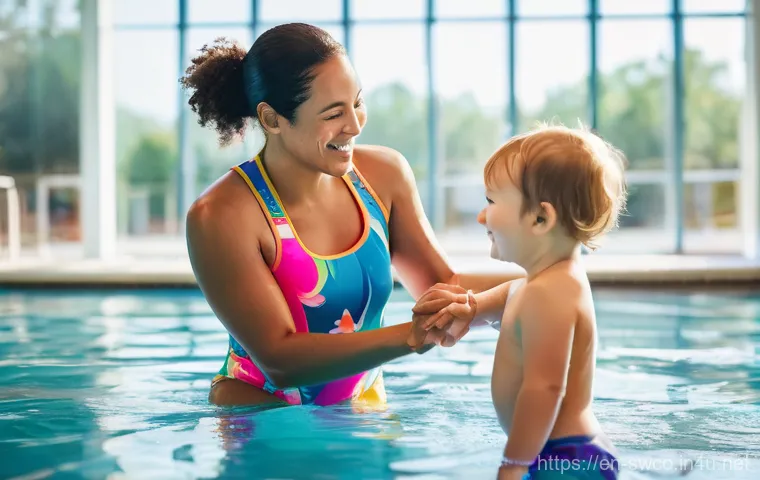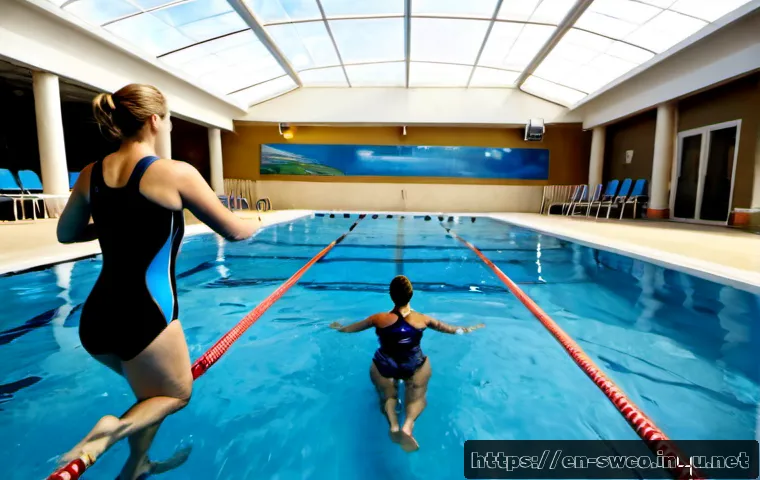
Advanced swim coaching creates the most value when it identifies one limiting movement, teaches a safe progression, and gives the swimmer feedback they can use on the next repeat.
More lap swimming may build exposure, but it does not automatically correct timing, body position, propulsion, turns, or pacing habits. Private lessons are usually the stronger fit for individual diagnosis, while small-group clinics can support repeated practice in a motivating lane environment.
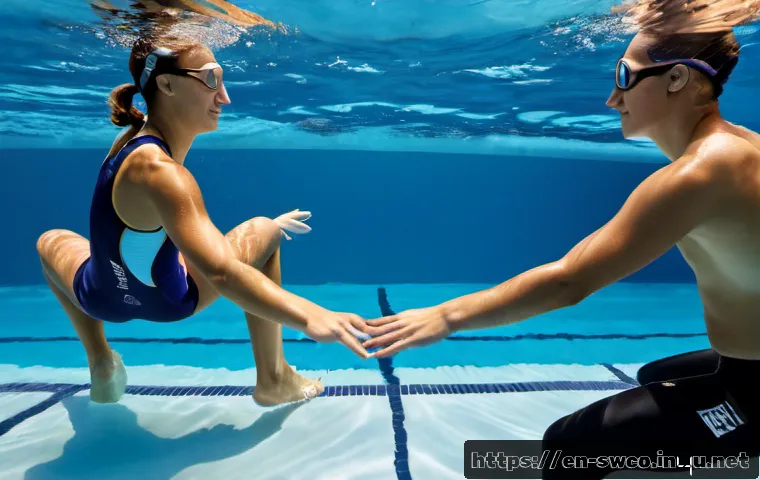
Underwater or poolside video analysis can be especially useful when a swimmer cannot feel a technical pattern clearly in real time. The right format depends on the swimmer’s goal, confidence, current technique, pool conditions, and the level of feedback needed.
Coaches can also communicate lesson value more clearly by showing how observation, drill selection, and follow-up plans connect to a defined performance goal.
At a Glance
- Advanced coaching is most useful when a swimmer needs targeted correction, not simply more distance.
- Safe progressions come first: confirm technique, confidence, supervision, and pool conditions before adding speed or complex breath-control work.
- Choose the format by feedback depth: private coaching, small-group clinics, and video analysis each solve different learning needs.
| Coaching Format | Best Use Case | Feedback Depth | Cost Factors to Review |
|---|---|---|---|
| Private advanced lesson | Individual stroke diagnosis, turns, breakouts, and focused technique repair | High: direct observation and customized drill choices | Coach expertise, pool access, session length, follow-up plan |
| Small-group clinic | Repeated practice, shared lane work, and a focused skill theme | Moderate: coach attention is shared across swimmers | Group size, lane space, clinic theme, facility rules |
| Video-analysis add-on | Body-line, timing, catch, turn, or stroke-pattern review | Visual: useful for comparing what a swimmer feels with what they do | Recording setup, review time, equipment, follow-up feedback |
Start With a Clear Performance Goal and Safety Baseline
Advanced instruction should begin with a specific answer to one question: what is limiting the swimmer right now? A swimmer asking for a faster freestyle may need body-line work, better timing, more effective propulsion, cleaner turns, or pacing practice. Those are different coaching problems, so they should not receive the same drill sequence.
Identify the Main Limitation Before Selecting Drills
Observe a short swim at an appropriate effort before teaching. Look for the most meaningful pattern rather than trying to fix every detail at once. A body-position issue may make the catch less effective. A timing issue may affect breathing and rhythm. A turn problem may reduce speed even when the stroke looks strong in open water. Clear observation helps a coach decide whether the next lesson should focus on technique repair, fitness development, or advanced skill work.
Check Readiness Before Higher-Speed or Breath-Control Drills
Higher speed, longer repeats, and advanced underwater work should follow a safety baseline. Consider the swimmer’s current technique, fitness, confidence, and the pool environment. Maintain safe supervision and follow facility rules. If medical readiness for high-intensity training or breath-control work is uncertain, do not assume readiness; the swimmer should seek appropriate guidance before progressing.
Give One Primary Cue and One Measurable Goal Per Set
Keep the instruction usable. A cue such as “hold a longer line before the pull” is easier to apply than a full technical lecture. Pair it with a simple goal that can be observed in the next repeat, such as maintaining the intended position through a short swim. The purpose is not to create perfect swimming in one set. It is to create a repeatable change the swimmer can notice and the coach can reassess.
Build Advanced Skills Through Progressive Drill Design
Strong drill design moves from a controlled position to coordinated movement and then into full-stroke swimming. The progression should match the swimmer, not the coach’s favorite drill list. Complexity, speed, and distance should increase only when the earlier step is stable enough to support the next one.
Move From Position Work to Race-Relevant Speed
Start with a low-complexity version of the target skill. Then add motion, rhythm, and finally a more realistic pace. For example, a coach refining freestyle body line may first establish alignment in a controlled movement, then add the catch and recovery pattern, and later ask the swimmer to preserve that line during full stroke. This keeps the lesson connected to the final goal rather than leaving the swimmer with a drill that never transfers.
Use Drill-to-Swim Transitions
A drill has value only when it changes the full stroke. Follow a drill with a short swim where the swimmer repeats the same cue. Ask a brief question afterward: did the swimmer notice the intended timing or position, and did the coach observe it? This transition is particularly helpful in premium swim lessons because it shows how the instructional step connects to usable swimming.
Adjust Repetitions, Rest, and Feedback for Learning
Fatigue can hide whether a technical change is working. Use repetitions and rest that let the swimmer make a deliberate attempt, receive feedback, and try again with enough attention. If form falls apart, reduce complexity rather than simply demanding more effort. Advanced does not always mean exhausted; it often means more precise.
Compare Coaching Formats, Tools, and Lesson Value
Clients often compare advanced swim lesson packages by pool time alone. A more useful comparison is what problem the format is designed to solve. Coaches can explain value through assessment, targeted feedback, drill selection, observation, and a realistic next-step plan.
Private Lessons Versus Small-Group Advanced Clinics
Private coaching is usually the better option when a swimmer needs detailed diagnosis, individual correction, or work on a specific technical barrier. A small-group advanced clinic may suit swimmers who benefit from repeated practice, shared lane time, and a narrow theme such as starts, turns, or freestyle efficiency. Neither format is automatically better; the decision depends on how individualized the feedback must be.
When Underwater or Poolside Video Analysis Adds Value
Video feedback can help swimmers see timing, body position, and stroke patterns that are difficult to notice while moving through the water. It can be useful for reviewing a freestyle catch, body line, turn approach, breakout, or coordination pattern. The recording itself is not the solution. Its value comes from a coach identifying a priority, explaining it briefly, and connecting the review to a practical drill or repeat attempt.
Review Cost Factors Before Choosing a Package
Local private coaching, group clinics, video-analysis sessions, and instructor certification courses can vary by provider and location. Review facility access, coach expertise, session length, recording or review time, pool conditions, and follow-up support. Program managers should also confirm local facility rules, insurance expectations, and certification requirements rather than assuming the same standards apply everywhere.
Deliver Feedback That Swimmers Can Apply Immediately
Feedback works best when it is short, observable, and followed by another attempt. The coach’s role is not to explain every part of a stroke at once. It is to help the swimmer recognize the next change that matters.
Use a Simple Observation-to-Repeat Sequence

Watch the swim, name one pattern, offer a short explanation, demonstrate if useful, and ask for another attempt. This approach gives the swimmer a clear job in the water. It also gives the coach a way to check whether the cue improved the movement or needs adjustment.
Match Feedback to Stroke Awareness
Some swimmers learn by seeing a demonstration. Others respond better to a physical sensation, a single phrase, or video review. Ask what they noticed after the repeat, then compare that perception with what you observed. This builds stroke awareness without assuming every swimmer processes feedback the same way.
Avoid Over-Coaching During Active Sets
Long technical explanations can interrupt rhythm and overload attention. Avoid stacking several corrections into one length. If the swimmer needs multiple changes, sequence them across the lesson or future sessions. A focused cue is more likely to survive when pace, pressure, or fatigue increases.
Adapt Instruction for Common Advanced Training Situations
Advanced swimmers still need coaching that fits their current context. Adult lap swimmers, triathletes, and competitive swimmers may all request similar outcomes, but their starting point and training demands can be very different.
Refining Freestyle Catch and Body Line for Adult Lap Swimmers
For an adult lap swimmer, begin by deciding whether the main issue is alignment, timing, or how the swimmer applies pressure in the water. Use a progression that preserves confidence and avoids turning every session into a high-fatigue test. Video analysis may help when the swimmer’s perception of their body line differs from the observed stroke pattern.
Teaching Efficient Turns, Breakouts, and Underwater Transitions
Turns and breakouts require clear progression because several movements happen in sequence. Begin with controlled pieces before joining them at greater speed. Confirm that the lane setup, supervision, and pool environment support the work. Do not push advanced underwater or breath-control elements simply because the swimmer wants a faster result.
Supporting Competitive Swimmers Without Replacing Their Season Plan
A technique-focused coach can add value by addressing a defined skill within the swimmer’s existing training context. Ask what the swimmer is already doing, what event or stroke demand they are preparing for, and whether a head coach has priorities already in place. The goal is to complement the season plan with useful technical feedback, not to assume control of the entire program.
Choosing a Coaching Approach: Final Comparison Checklist
Select private coaching when individual diagnosis and detailed correction are the priority. Select a small-group clinic when swimmers need repeated practice, a focused topic, and shared lane learning. Select video review when a technical pattern needs a visual baseline and a later comparison. Compare local coaching packages based on feedback depth, pool access, session goals, and what follow-up the coach provides.
Final Selection Criteria and Comparison Summary
Before booking or building an advanced coaching option, check the swimmer’s main goal, present technique, confidence, and readiness for the proposed intensity. Confirm whether the lesson includes individual observation, drill-to-swim transfer, and a clear next step. Review pool access, facility requirements, coach qualifications, and any video-analysis process. Choose the format that gives the swimmer the level of feedback needed—not simply the most pool time. For official details on a coach’s package, certification background, facility access, and session conditions, review the provider’s information page directly.
Closing Thoughts
Advanced swim instruction is most effective when it stays specific. Start with the movement that limits performance, build a safe progression, and give feedback the swimmer can apply immediately. A well-structured lesson can make private coaching, clinics, and video analysis easier to evaluate because the swimmer understands what each option is intended to improve. The best next step is usually the one that matches the swimmer’s current needs and training environment.
Useful Information to Keep in Mind
1. A drill should lead back to full-stroke swimming. 2. One useful cue is often better than several technical corrections. 3. Video is most helpful when paired with a clear coaching priority. 4. Pool rules and supervision standards may affect how advanced skills are taught.
Important Notes
This guidance is general and cannot determine an individual swimmer’s readiness, medical status, local certification requirements, insurance needs, facility rules, or appropriate drill progression. Coaching prices and package details vary by location and provider. Confirm relevant requirements and conditions before arranging high-intensity, advanced underwater, or breath-control training.
Frequently Asked Questions
Q1. When is a private advanced swim lesson worth the cost compared with a group clinic?
A1. Private coaching may be worth considering when the swimmer needs individual diagnosis, detailed stroke correction, or focused work on a specific issue such as a turn, breakout, body line, or timing pattern. A group clinic may be a better fit when the main need is repeated practice around a shared skill theme. Compare local options by feedback depth, pool access, session goals, and follow-up support.
Q2. Is underwater video analysis useful for improving advanced swimming technique?
A2. It can be useful because it helps swimmers observe timing, body position, and stroke patterns that may be difficult to notice in real time. Its strongest value comes when a coach uses the footage to identify one priority and connects that observation to a practical drill and follow-up swim.
Q3. What should a swim instructor assess before teaching advanced turns, breakouts, or high-speed drills?
A3. Assess current technique, fitness, confidence, pool conditions, and the swimmer’s ability to perform earlier steps safely. Confirm appropriate supervision and facility rules before increasing speed, distance, drill complexity, or breath-control demands. If readiness is unclear, use a more controlled progression or seek appropriate guidance.